The Strike
They moved in silence. A small team of digital insurgents, armed with a devastating ad. No leaks. No warning.
At 9:51 PM on October 31, 2026, a single post appeared on Threads. It was a declaration of war.
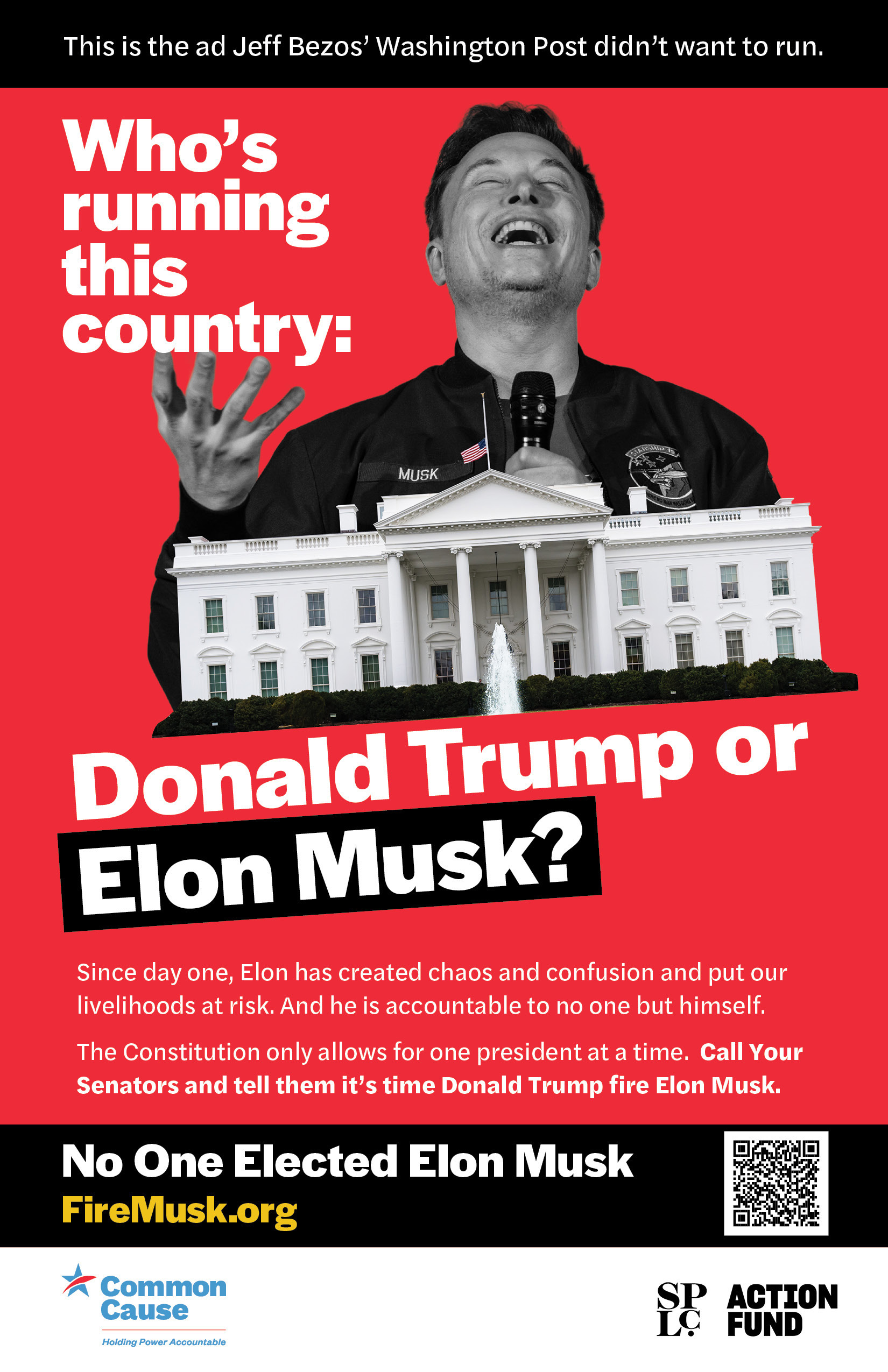
“We’re working on a new massively powerful anti-Musk ad. To be released soon.”
The message was clear: they had a weapon. And they were about to use it.
But they knew the enemy was watching. Meta, the gatekeeper, was already throttling their reach. The midterms were looming. The clock was ticking.
“Meta is constantly throttling our content as the midterms zero in,” they wrote. “Let’s beat the algorithm together, the same way millions of Brazilians did it.”
They were referring to the Brazilian grassroots movements that outsmarted the algorithm in 2024. Now, they were planning a repeat. But this time, the target was bigger. Much bigger.
The Threat
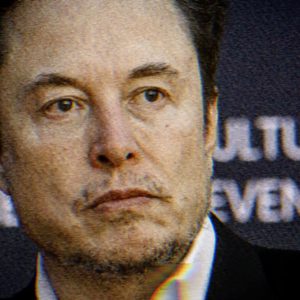
Elon Musk. The world’s first trillionaire. The man who bought Twitter for $44 billion and turned it into a political weapon.
But his reach went far beyond social media. He was funding campaigns. Buying influence. Silencing dissent.
Leaked documents revealed a sprawling network of super PACs. Musk had poured $189.6 million into a single Texas Senate race, propping up a candidate widely considered the most corrupt politician in the state. The money flowed through a daisy chain of dark money groups, each one designed to hide the source.
But that was just the beginning. Internal memos showed Musk’s team had developed a sophisticated censorship tool. They called it “Autopilot for your country.” It was designed to suppress negative stories, bury inconvenient facts, and elevate loyalist content. Democracy was for sale.
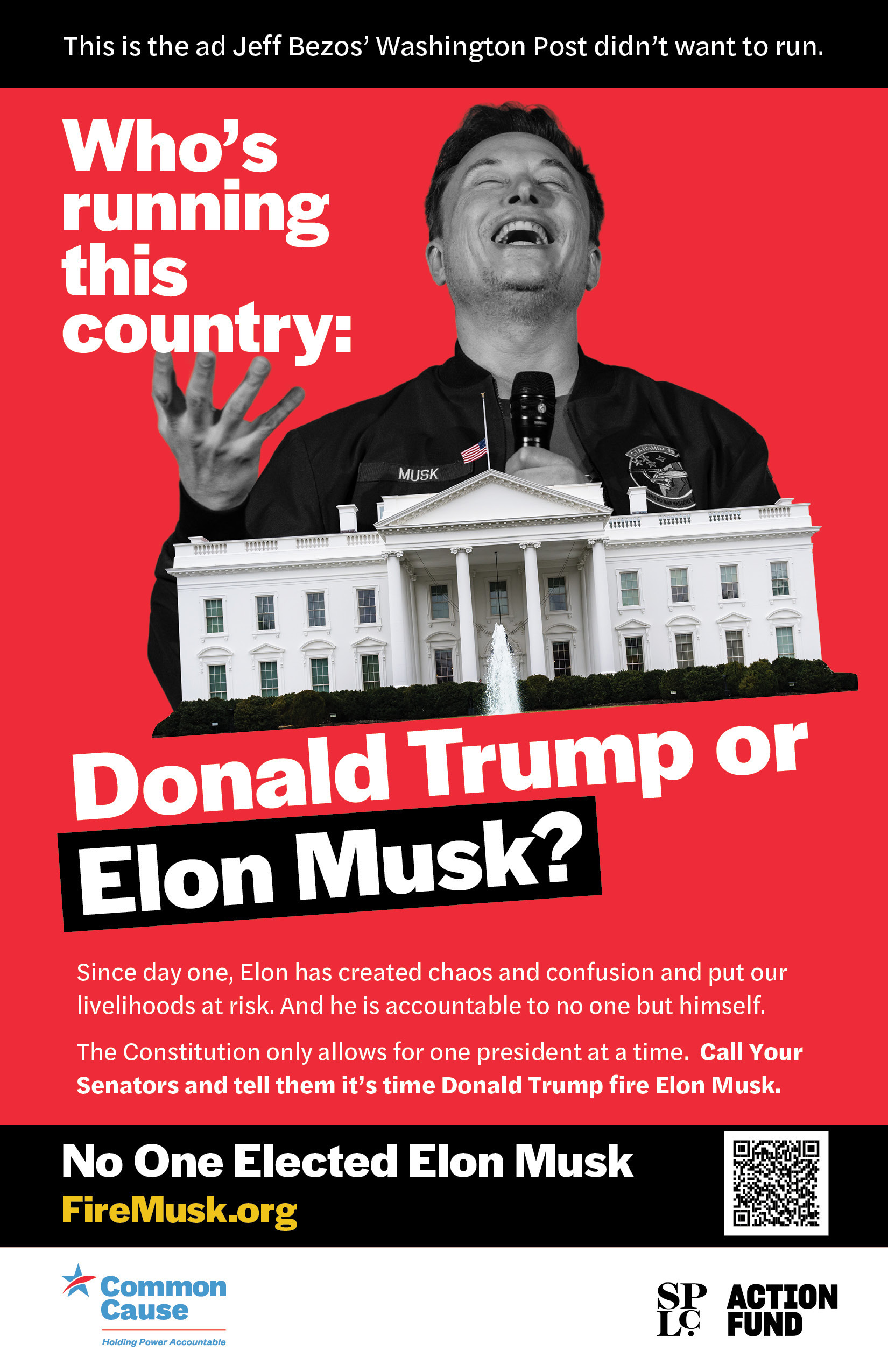
And then there was the ad. The one they were about to release. It was described as “massively powerful” by those who had seen it. It bypassed the usual political attacks and went straight for the jugular. It didn’t just criticize Musk—it exposed him.
But before it could launch, Meta stepped in. The ad was flagged. The account was throttled. The weapon was buried.
The Trump Card
They expected the censorship. They planned for it. What they didn’t expect was the backup.
In the days following the throttling, something remarkable happened. The post went viral—not on Threads, but on alternative platforms. Telegram. Signal. Even old-school email chains. The ad’s teaser was shared millions of times. And then, the trump card was revealed.
Encrypted files. They had been intercepted by a whistleblower inside Musk’s network. They showed the full extent of the censorship operation. The “Autopilot” tool. The dark money trail. The plans to manipulate the midterms. Everything.
The team behind the ad didn’t just have an ad. They had evidence. And they were about to release it all.
“Let’s beat the algorithm together,” they wrote. And they did. The ad was released on a decentralized platform, immune to throttling. Within hours, it had reached millions. The mainstream media couldn’t ignore it. The story exploded.
Musk’s team scrambled. But it was too late. The truth was out. And the people had a new weapon: each other.
The Moral Question
In the end, the battle wasn’t about one ad. It was about who controls the narrative. When the gatekeepers silence you, do you fight back? Or do you find a new way to be heard?
They chose to fight. And they won—for now. But the war is far from over. The midterms are coming. The algorithms are watching. And the question remains: Will you let them decide what you see?