The Strike
She didn’t wait for the oath. She didn’t wait for the morning news cycle.
At 6:03 AM, Texas Governor-Elect Gina Hinojosa signed an emergency executive order. By 6:07, the locks on the ICE detention camp—known internally as Site 14—were sealed. National Guard units moved in. Media were kept two miles back.
The order was simple: Close the camp. Release the children. Preserve every document.
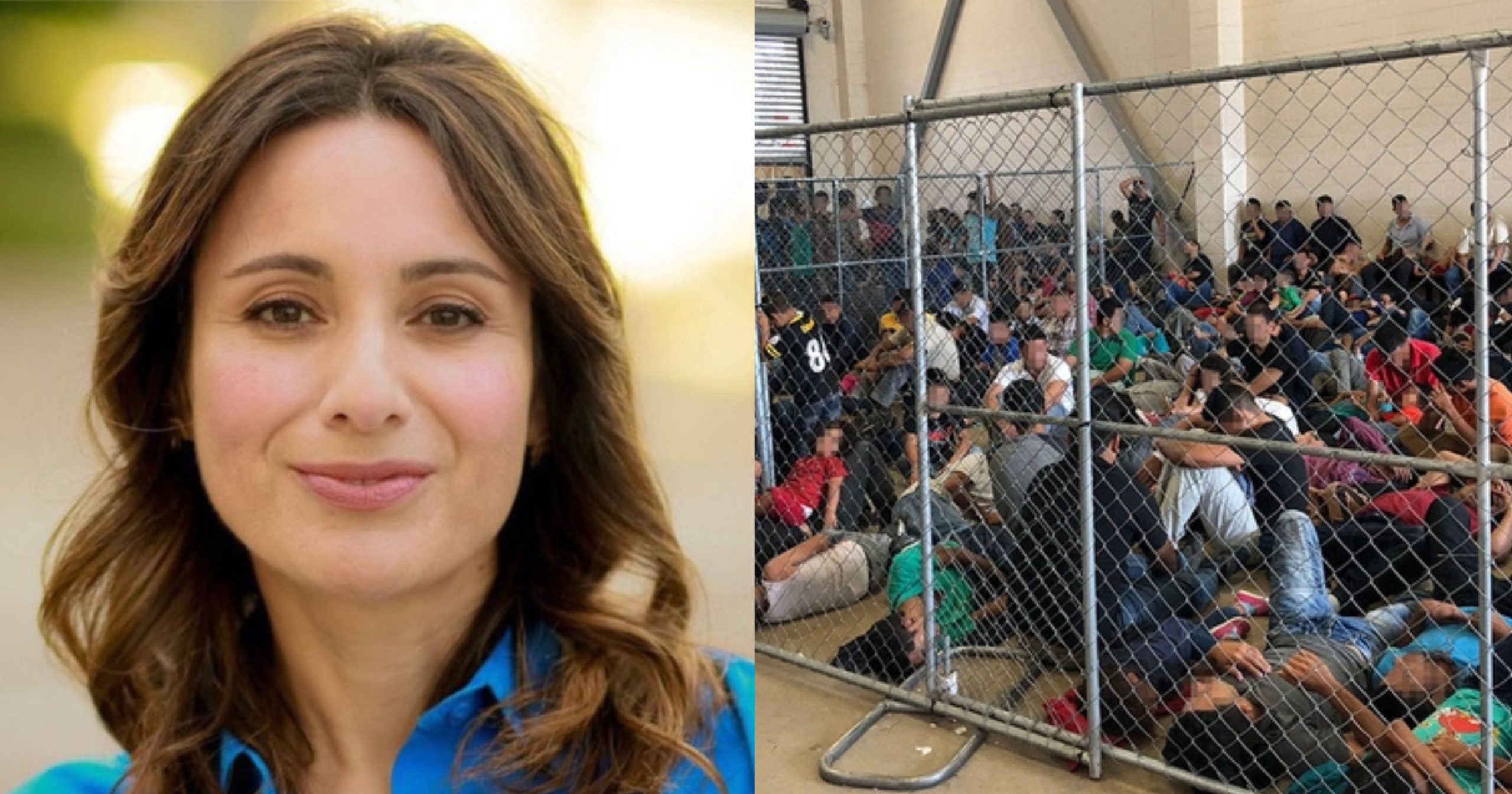
No one saw it coming. Not the contractors. Not the federal liaisons. Not the state senators who had quietly approved the camp’s funding for another eighteen months.
Hinojosa didn’t give a speech. She gave a deadline: 72 hours to hand over every file, every hard drive, every signed order.
The clock was already ticking.
The Threat
Site 14 wasn’t supposed to exist.
It was built in 2024 under a $47 million no-bid contract—routed through a shell company in Delaware, then another in the Cayman Islands. The paper trail was designed to disappear.
But it didn’t.
Leaked internal documents—over 12,000 pages—reveal a covert operation. Children were being held as leverage. Not for immigration. For profit.
The camp’s operators had struck a deal with private prison investors: guaranteed occupancy quotas. The more children detained, the higher the payout. And the federal government was paying by the bed, not by the case.
“They weren’t jailing kids to protect the border. They were jailing kids to protect the balance sheet.” — a senior whistleblower, speaking on condition of anonymity.
The documents show that Hinojosa’s predecessor knew. Emails were exchanged. Warnings were ignored. The camp kept running.
And the children kept coming.
The Trump Card
Hinojosa didn’t just close the camp. She unsealed the evidence.
On the third day, her office released a single page—a signed memo from the former governor’s chief of staff. It authorized “enhanced detention measures for minors” and explicitly waived federal oversight.
The memo was dated three weeks before the first child was transferred to Site 14.
Within hours, three state senators called for a federal investigation. Two contractors were placed on administrative leave. The shell company’s accounts were frozen.
Hinojosa held a press conference. She said only one thing:
“The locks are open. The files are public. Now we find out who else was complicit.”
She didn’t take questions.
She didn’t have to.
The Question That Remains
The camp is closed. The children are in state custody. The documents are unsealed.
But the money is still missing. The contractors are still free. And the people who signed the checks are still in power.
Hinojosa has promised a full investigation. But investigations take time. And time is something the children of Site 14 never had.
So here’s the question: If we knew—if the emails were there, if the memos were signed, if the profits were documented—why did it take a brand-new governor, six hours in office, to do what an entire system refused to do for two years?
And what does that say about the rest of us?