The Strike: Judge Gayles’ Devastating Blow
In a stunning move, U.S. District Judge Darrin Gayles dismissed with prejudice President Trump’s $10 billion defamation lawsuit against The Wall Street Journal and media mogul Rupert Murdoch. The ruling, issued Saturday in Miami, wasn’t just a rejection—it was a legal execution.
Gayles didn’t mince words. He called Trump’s arguments “grasping at straws” and accused the legal team of trying to “manufacture” flaws in the Journal’s investigative reporting. The judge’s message was clear: the lawsuit was baseless, and it’s over for good.
This wasn’t the first time Gayles tossed the case. Back in April, he dismissed it, ruling Trump came “nowhere close” to showing actual malice. Trump’s team refiled, only to be slapped down again—this time permanently.
The Threat: The $20 Billion Scheme and the Epstein Letter
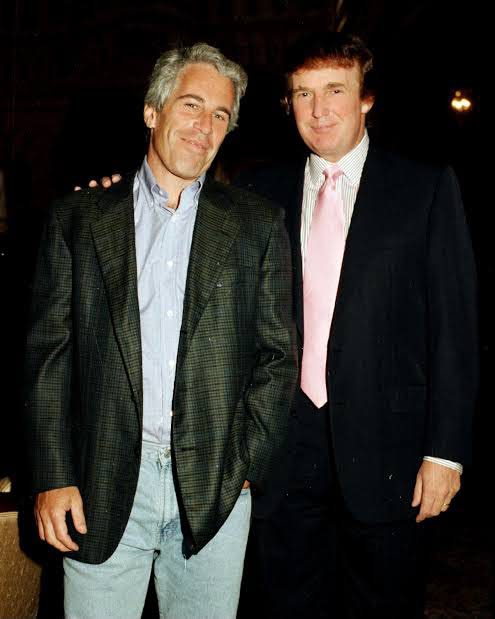
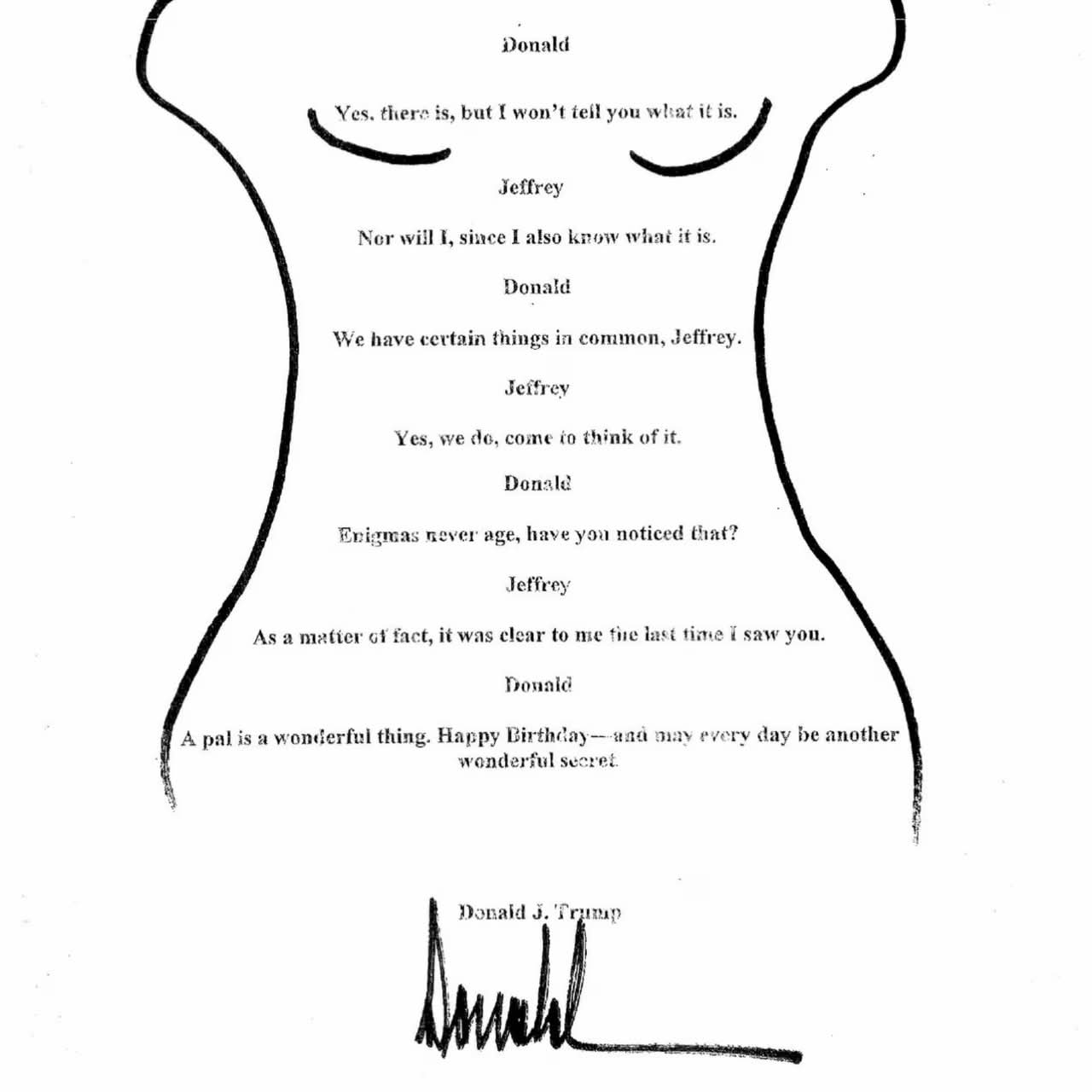
The lawsuit centered on a sexually suggestive letter bearing Trump’s name, allegedly included in a 2003 birthday book for Jeffrey Epstein. The Journal published the explosive story last year, prompting Trump to file a $20 billion suit against the paper, its parent company News Corp, CEO Robert Thomson, reporters, and Murdoch himself.
Trump called the letter “FAKE” and claimed the Journal acted with actual malice. But the judge saw through it. Gayles noted that Trump’s legal team argued the paper should have ignored its own investigation simply because Trump denied writing the letter.
“But that is not what the actual malice standard requires and runs afoul of the First Amendment,” Gayles wrote.
The case was further complicated when House lawmakers subpoenaed and obtained a redacted version of the birthday book from Epstein’s estate—including the letter at the center of the lawsuit. The White House insisted Trump didn’t draw or sign it, but the damage was done.
The judge’s ruling was a full-throated defense of the press. He praised the Journal’s investigation, stating the suit ran counter to the First Amendment. And in a final twist, he left open the possibility that Trump could be ordered to pay the defendants’ legal fees—a costly humiliation.
The Trump Card: What’s Next for Trump?
With the case dismissed with prejudice, Trump cannot refile. The legal battle is over. But the war may just be beginning. The ruling not only validates the Journal’s reporting but also sets a precedent: public figures cannot use lawsuits to silence the press without meeting the high bar of actual malice.
Trump’s legal team has not commented, but the implications are huge. Could this ruling embolden other media outlets to dig deeper into Trump’s ties to Epstein? And will the legal fees—potentially millions—be the final sting?
For now, the judge’s decision stands as a stark reminder: the First Amendment is not a suggestion. It’s the law.
Is this the end of Trump’s legal crusade against the media, or just the beginning of a new chapter?