The Silence That Fooled Everyone
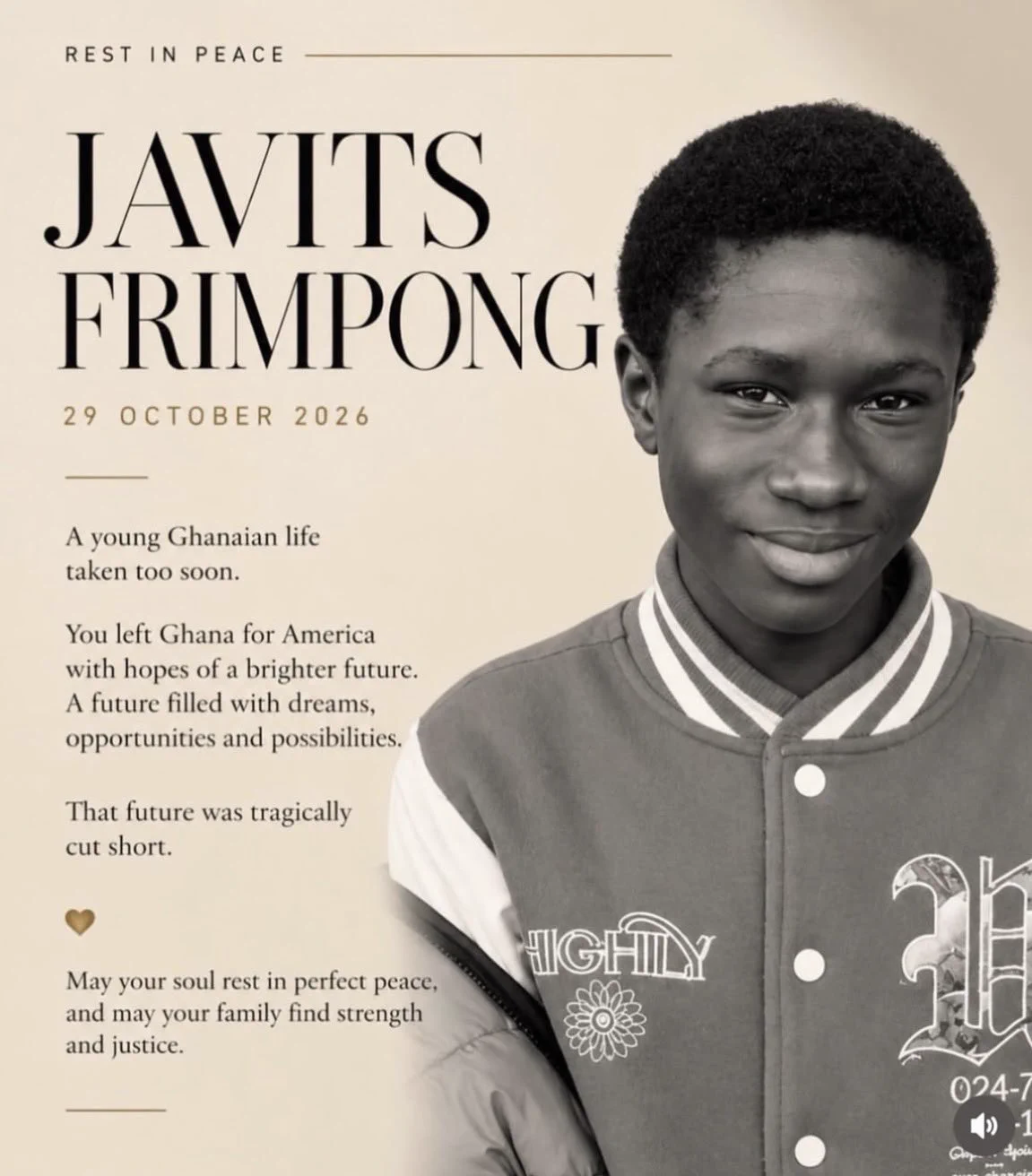
He went dark. No press conferences. No rallies. No scripted promises of justice. After the murder of 15-year-old Javits Frimpong, New York Mayor Zohran Mamdani vanished from the public eye—and the narrative machine went into overdrive.
They called him a bust. They said the honeymoon was over. They whispered that he was hiding, weak, finished.
They were wrong.
Behind the curtain, Mamdani wasn’t dodging questions. He was executing a covert operation that would require the cooperation of his fiercest political rival—and a direct line to the White House.
The Strike: A Phone Call That Broke the Grid
It began with a single, encrypted call. Not to his staff. Not to the media. To President Donald Trump.
Mamdani bypassed the usual channels, sidestepping bureaucracy and political posturing. He had one objective: secure an immediate entry visa for Javits’s mother, who was thousands of miles away in Ghana, desperate to see her son one last time.
Sources close to the situation describe the call as tense, direct, and devoid of politics. Mamdani didn’t ask for a favor. He demanded a humanitarian exception—and he got it.
“The murder of a child is a pain no parent should have to endure, let alone from thousands of miles away. Javits Frimpong’s mother deserves to say goodbye to her son in person.”
Within hours, the visa was approved. But the silence continued. The mayor knew that any public statement would turn a mother’s grief into a political circus.
The Threat: A City on the Brink
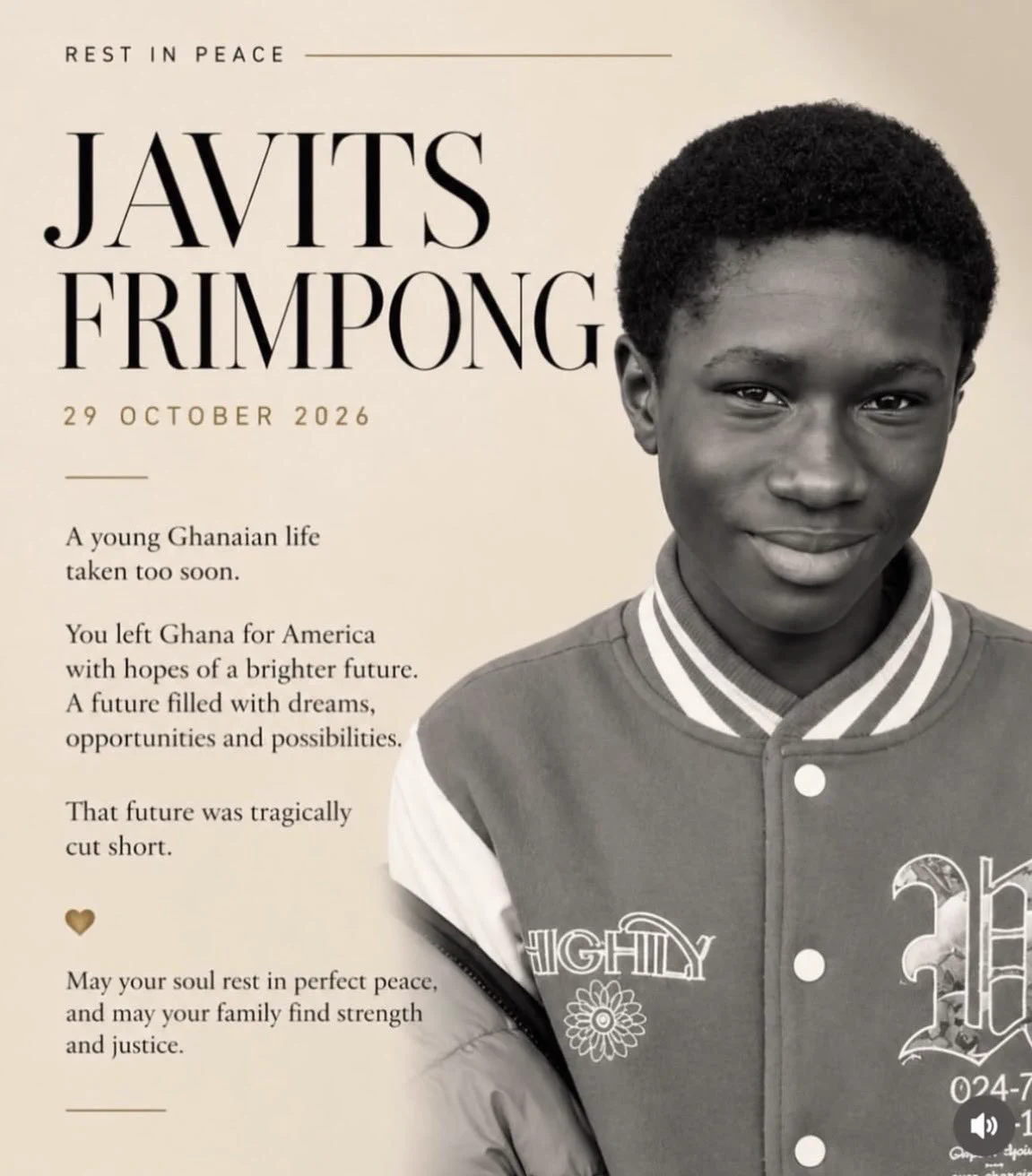
While Mamdani worked in the shadows, the city he governed was unraveling. Javits’s murder was not just a tragedy—it was a flashpoint. The Bronx had been reeling from a surge in youth violence, and this latest killing threatened to ignite a powder keg.
Critics seized the moment. They painted Mamdani as a leader who had lost control, a progressive idealist who couldn’t protect the most vulnerable. The media demanded answers. The public demanded action.
But the real threat was far more insidious. Behind the scenes, political operatives were already spinning the story, using Javits’s death to undermine Mamdani’s agenda. They wanted a scandal. They wanted a failure. They wanted him to stumble.
What they didn’t know was that Mamdani had already outmaneuvered them.

The Trump Card: A Mother’s Visa
The trump card wasn’t a policy. It wasn’t a speech. It was a piece of paper—a visa—that would allow a grieving mother to cross oceans and hold her son one last time.
When Mamdani finally broke his silence, he didn’t talk about politics. He talked about humanity.
“All of New York City is mourning this tragedy,” he said. And with those words, he flipped the script.
The narrative of failure evaporated. The critics were silenced. Because while they were playing politics, Mamdani was reuniting a family.
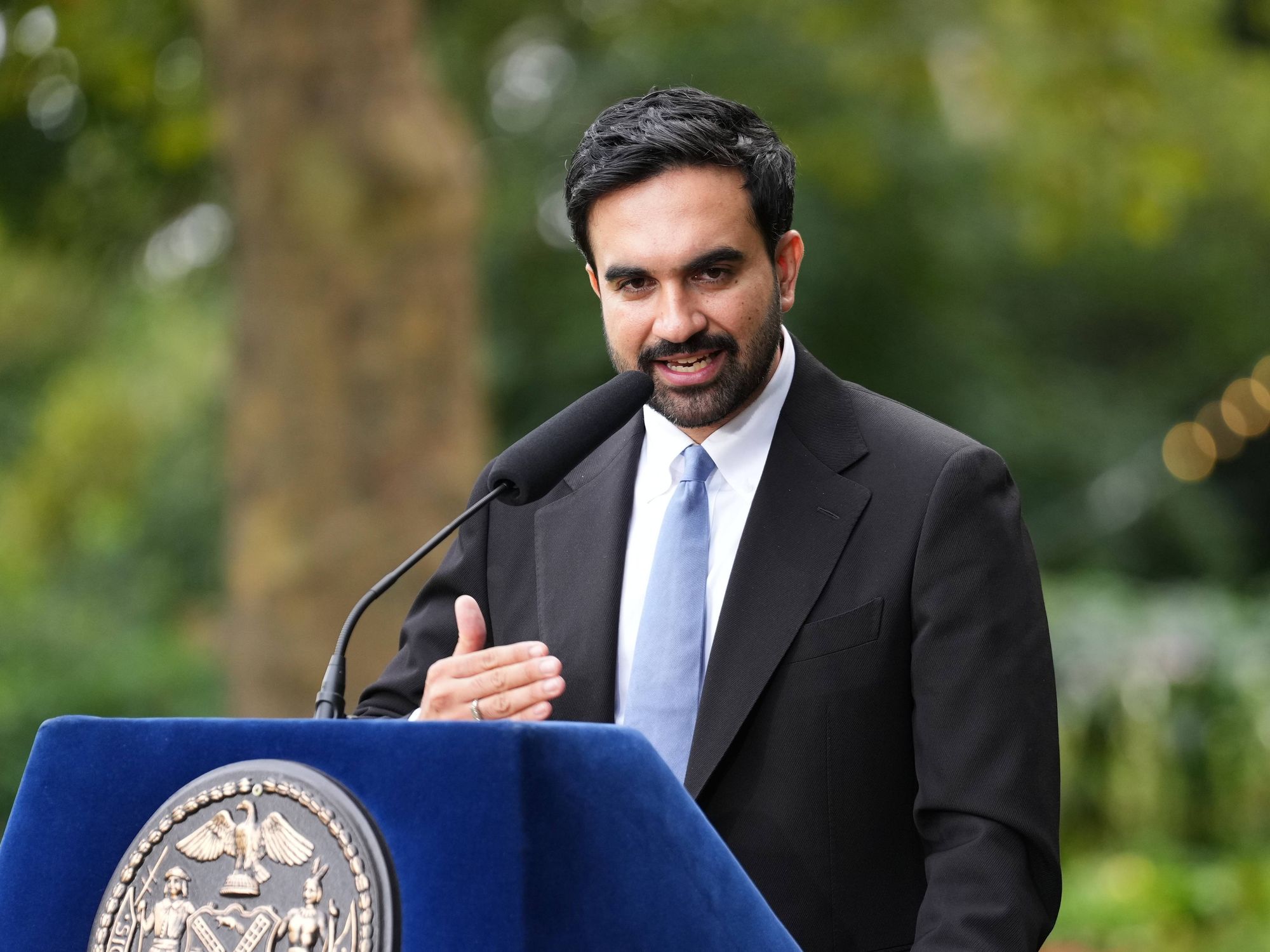
What Would You Have Done?
In the end, the silence wasn’t weakness. It was strategy. It was empathy. It was a choice to put a mother’s pain above a politician’s image.
But it raises a question: In a world that demands constant noise, is quiet compassion the ultimate power move? Or does silence, no matter how noble, always come at a cost?
You decide.