The viral debate taking over the internet centers on a simple claim: the Strait of Hormuz was open before. At first glance, this is just a statement of historical fact. Before the 2026 war, the world’s most critical energy chokepoint was a toll-free, open transit route. Now, as the conflict drags on, that pre-war reality has become a battleground of political theater and raw military leverage.
The contradiction here is glaring. Donald Trump is aggressively demanding that the waterway return to its previous status, threatening severe military strikes against Iranian infrastructure if commercial vessels are attacked. The official message from Washington is that the US will ensure the Strait remains open by force.
But on the water, the reality looks entirely different. Iran has made it explicitly clear that the Strait of Hormuz will not return to pre-war conditions. Tehran is actively enforcing this new doctrine, launching missiles and drones at tankers attempting to transit through US-backed routes. They are demanding that all ships coordinate directly with Iranian authorities, effectively charging a geopolitical toll.
This creates a brutal strategic trap for the US. You cannot bomb a maritime shipping route open if commercial executives refuse to send their vessels through it. No matter how many times Donald Trump declares the waterway protected, the actual power rests with the insurance markets and the shipping companies. If they believe Iran can hit a tanker, the Strait is effectively closed, regardless of American air cover.
The viral focus on what the Strait of Hormuz was “before” misses the point. Iran is not just fighting a war; it is attempting to rewrite the rules of global maritime trade. By proving they can dictate who passes and who burns, Tehran is systematically stripping away Washington’s historical authority over the Gulf.
There is another way to read this: the Iranian position may just be wartime posturing. Critics will argue that once the economic pain of the US blockade deepens, Tehran will be forced to abandon its demands and quietly allow the waterway to fully reopen.
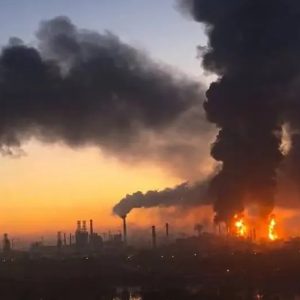
But right now, the gap between official US rhetoric and the smoldering tankers on the water is impossible to ignore. The real question is no longer whether the Strait of Hormuz was open before. It is whether the United States still has the leverage to force the world back in time.