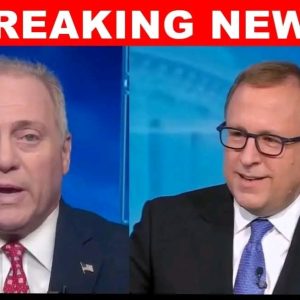
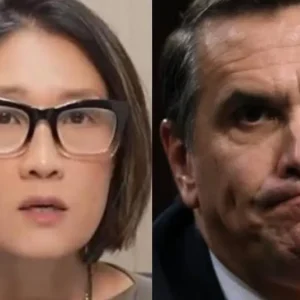
“Being pro-universal healthcare makes you hot. Exhibits A & B:” The statement looks like a harmless piece of internet culture. The real story is the calculated power move underneath it. The uncomfortable question is what happens to political debate when massive, systemic policies are no longer sold on facts, but on aesthetic appeal.
For decades, the debate over state-funded medicine was fought with economic projections, tax brackets, and administrative efficiency arguments. That era is effectively dead. In the modern attention economy, comprehensive policy papers do not secure political leverage. Viral aesthetics do.
By branding a specific political stance as inherently attractive, advocates are executing a brilliant, if deeply cynical, strategic pivot. They are bypassing the friction of financial debate and linking a massive structural policy directly to social cachet. You do not need to explain the logistical burden of overhauling a national health system if you can simply convince voters that supporting the policy makes them culturally desirable.
This is not just a superficial messaging tactic. It is a fundamental shift in how political capital is built and deployed. When you successfully label a political stance as “hot,” you are weaponizing parasocial dynamics. It turns policy opposition into social suicide for younger, hyper-connected demographics.
The debate stops being about whether universal healthcare is economically viable or operationally sound. Instead, it becomes a question of identity: does opposing this policy make you culturally obsolete? It is a highly effective way to silence critics without ever having to answer their economic questions.
But this aesthetic weapon carries a dangerous hidden trap. If a political movement relies on fleeting internet culture to validate its core structural policies, it surrenders long-term control to a chaotic algorithm. Aesthetics are inherently volatile. They change without warning.
What happens to the political mandate when a different, competing ideology successfully rebrands itself as the new cultural standard? If you build a policy platform on being fashionable, you are completely defenseless on the day it inevitably goes out of style.
There is another way to read this: defenders of this messaging strategy argue that it is simply a modern evolution of political communication. They claim that using humor and current internet formats is the only way to engage a deeply disillusioned electorate that would otherwise ignore politics entirely.
The immediate impact is a highly effective, shareable viral moment. But the true consequence is much larger. The ultimate question is not whether the meme works today, but whether a massive structural overhaul of a national economy can actually survive on the fragile foundation of internet aesthetics.