The Strike: A Mayor’s Midnight Move
It was 3 a.m. in Brooklyn when the first encrypted message went out. Not to the press. Not to the party bosses. To 30,000 volunteer canvassers.
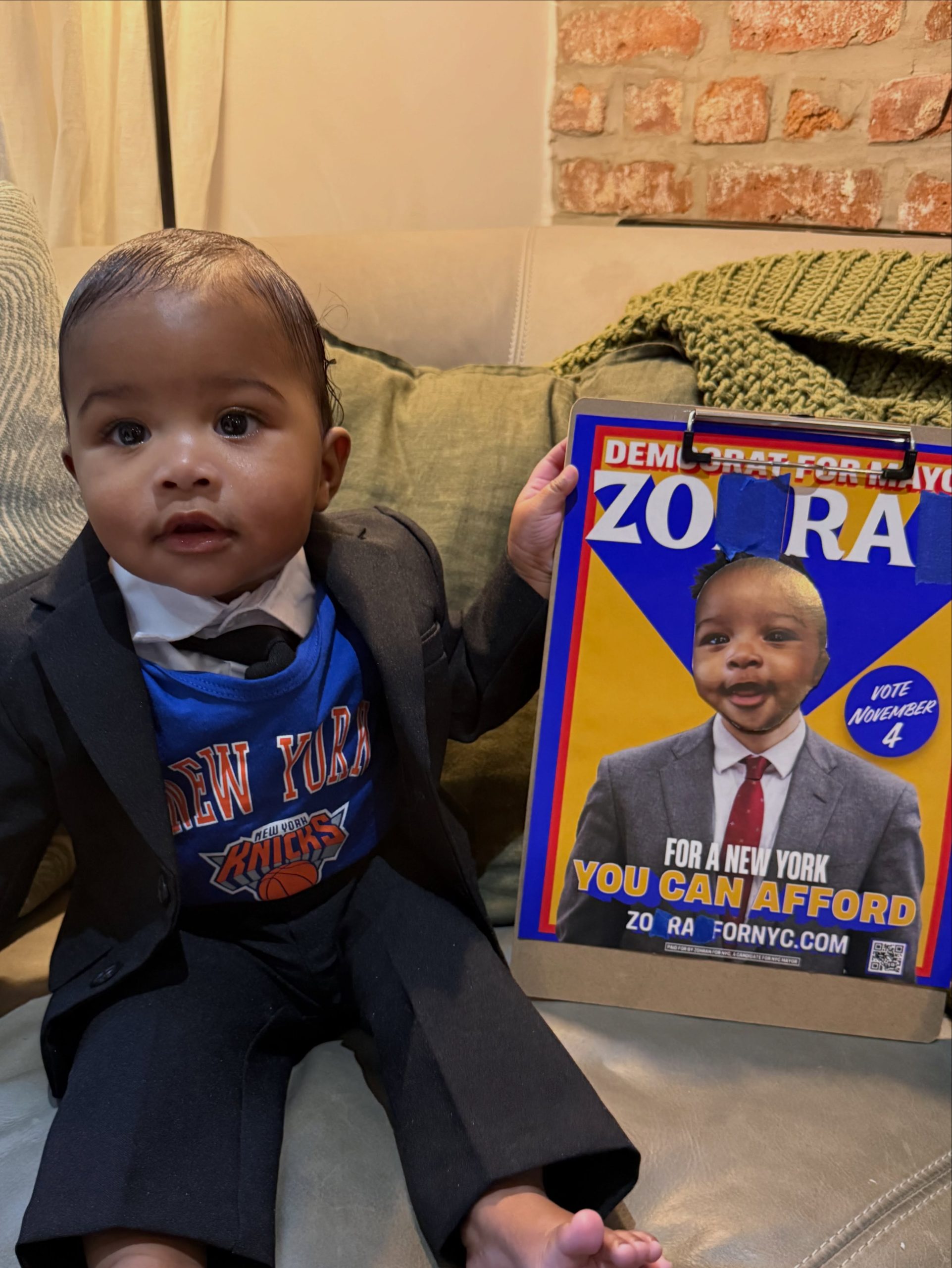
Mayor Zora Mamdani had just signed an executive order that bypassed the traditional Democratic machine. No more waiting for permission. No more backroom deals. The order, drafted in secret, redirected millions in campaign funds directly to a grassroots field operation that had been quietly building for years.
Political insiders called it a suicide mission. Mamdani called it a hostile takeover.
The opposition didn’t see it coming. They were still counting old money. Still dialing old friends. Still playing a game that Mamdani had already flipped.
The Threat: A $50 Million Shadow Campaign
But the machine wasn’t dead. It was adapting.
Leaked documents reveal a multi-million-dollar counter-operation designed to crush Mamdani’s volunteer network from the inside. A network of paid operatives, posing as grassroots supporters, infiltrated canvasser training sessions. Their mission: gather intel. Disrupt. Divide.
The scheme was bankrolled by a coalition of real estate moguls and old-guard politicians who saw Mamdani’s army as an existential threat. They called it “Operation Doorstop.” Their goal was simple: neutralize the most powerful field operation in New York history.
“They didn’t understand that you can’t buy a movement. You can only try to break it.” — A senior campaign aide
And they almost succeeded. Internal tensions flared. Volunteers quit. The campaign’s data app was hacked. For three weeks, chaos reigned.
But Mamdani had a secret weapon. And she was about to play it.
The Trump Card: 1.6 Million Doors and a List That Shook the City
While the opposition was busy infiltrating, Mamdani’s team was building something else. Something they kept hidden from everyone. A list of every single voter contacted, every conversation had, every promise made.
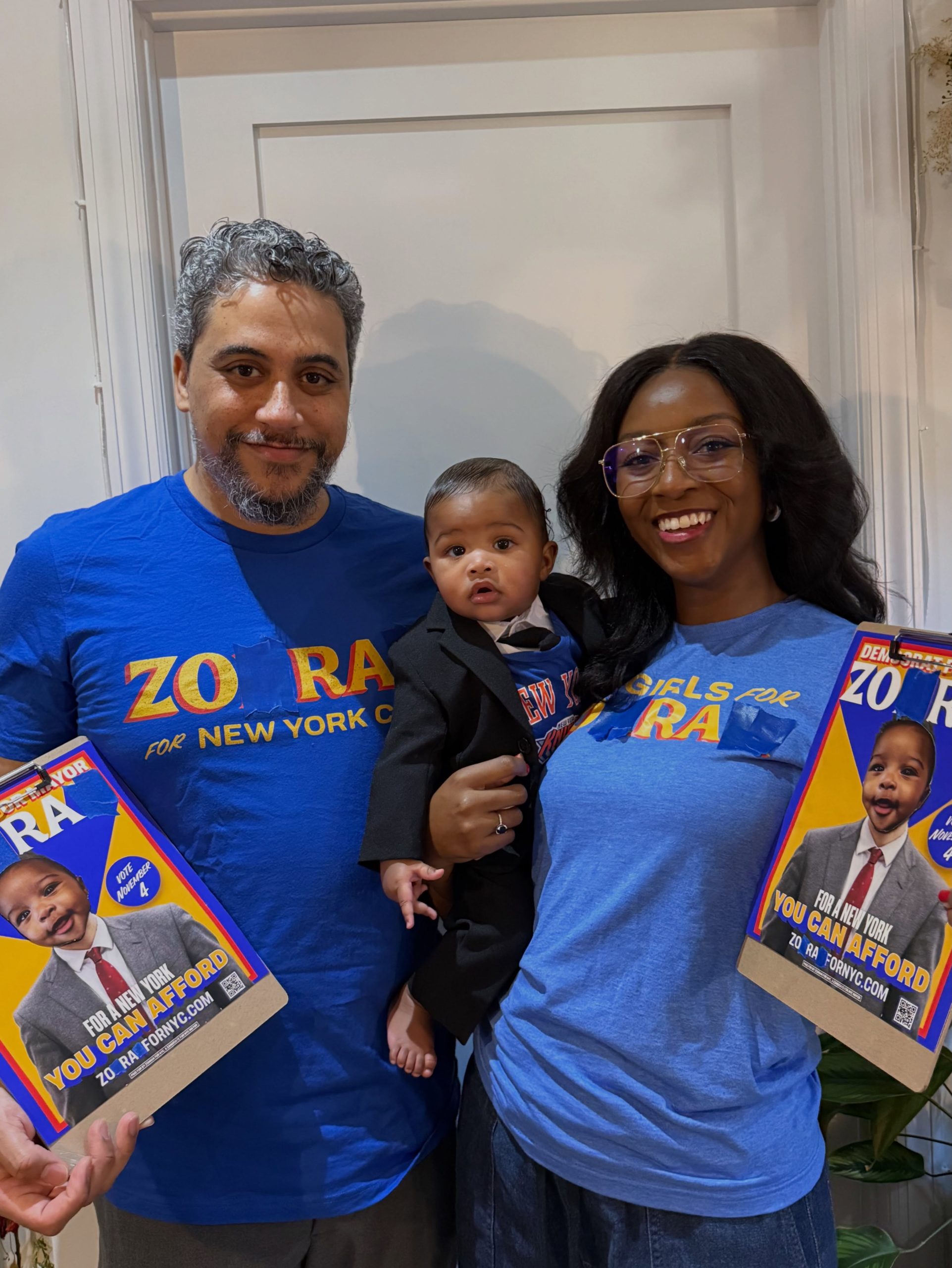
1.6 million doors knocked. 247,000 face-to-face conversations. 30,000 volunteers who refused to quit.
When the leaked documents were finally unsealed, they revealed not just the opposition’s scheme, but Mamdani’s countermeasure: a decentralized, encrypted database of every voter interaction, impossible to hack, impossible to replicate. It was the ultimate trump card.
The opposition’s infiltration failed. Their money dried up. Their operatives were exposed.
And Mamdani’s army? They didn’t just survive. They won by 9 points.

But the story isn’t over. The machine is regrouping. The money is still there. And the question remains: Can a movement built on trust survive when the forces of money and power refuse to play fair?
What do you think? Is this the future of politics, or just a lucky break?