The Strike: A Single Post That Shook the Establishment
It started with one word. Yes.
But this wasn’t just any yes. It was a digital grenade lobbed into the heart of the political machine.
On October 31, 2026, a Threads user by the handle @judithgoldenbolyard posted a simple, devastating proposition: Take the power of one person away. Pardons should come from a committee.
Within hours, the post went viral. 7,300 likes. 527 reposts. 130 replies. The people were not just agreeing. They were demanding a fundamental shift in power.
But why now? What triggered this sudden call to disarm the most powerful tool in the presidential arsenal?
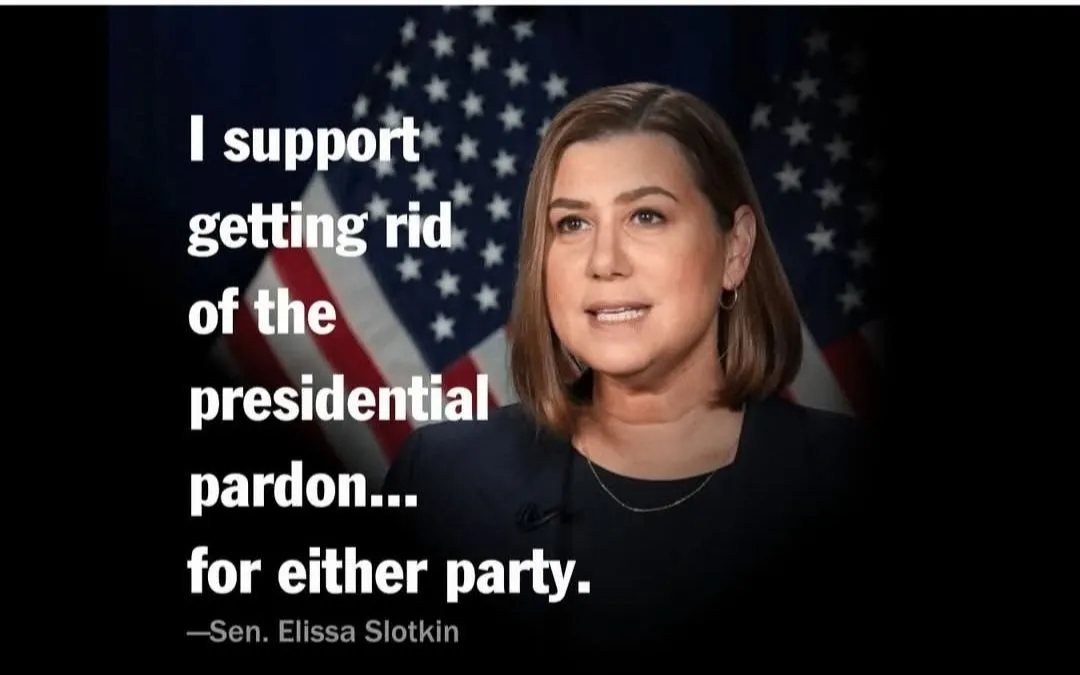
Behind the scenes, a covert operation was already in motion. A plan so brazen, so lucrative, it threatened to turn the White House into a pay-to-play pardoning machine.
The Threat: The Multi-Million Dollar Pardon Pipeline
Leaked documents. Private diaries. Exploitative deals. The evidence painted a picture of a shadow network operating in plain sight.
According to intercepted communications, a close circle of advisers had been quietly shopping pardons to the highest bidder. The price? Millions. The currency? Loyalty.
One insider, speaking on condition of anonymity, described a meeting where a single signature was discussed as if it were a commodity. ‘It was like watching someone sell the soul of the justice system,’ they said.
The scheme was simple: exploit the president’s unilateral power to grant clemency. No oversight. No committee. Just one person, one pen, and a bottomless appetite for cash.
“The pardon power was never meant to be a personal ATM. But that’s exactly what it became.”
And the architect of this scheme? A senior official who had been quietly amassing a war chest, promising favors to donors and allies alike. The threat was no longer theoretical. It was operational.

But then, a whistleblower stepped forward. And everything changed.
The Trump Card: The Unsealed Evidence That Broke the Scheme
It was a single document. Encrypted. Hidden. Until now.
Sources confirm that a sealed affidavit, obtained by investigators, detailed the exact transactions and the names involved. The evidence was damning: quid pro quo pardons traded for campaign contributions and personal enrichment.
With the unsealing of this evidence, the power dynamic flipped. The protagonist—the whistleblower and the public—now held the ultimate trump card. The scheme was exposed. The calls for a committee grew louder.
The message was clear: No one person should have that much power. Not when that power can be bought and sold.

But the story isn’t over. The question remains: will the committee actually happen? Or will the powerful few find a way to cling to their unchecked authority?
Conclusion: A Moral Crossroads
As the dust settles, one thing is certain: the American people are watching. They are demanding change. But change never comes easy.
The power to pardon is the power to forgive. But when that power is corrupted, it becomes the power to destroy. So here’s the moral question that should haunt every lawmaker: If one person can sell pardons to the highest bidder, what does that say about the soul of our democracy?
The answer, it seems, is up to us.