The Strike: A Political Earthquake in Michigan
DETROIT — The call came at 7:26 AM UTC. NBC News projected it first. Then the Associated Press. Then the dam broke.
Abdul El-Sayed—the 42-year-old epidemiologist, the progressive firebrand, the son of Egyptian immigrants—had just done the unthinkable. He won Michigan’s open U.S. Senate seat.
But this wasn’t just a victory. It was a political missile fired directly at the establishment. A grassroots army, fueled by small-dollar donations and a message of “Money out of politics, money in your pockets, and Medicare for All,” had toppled a Republican machine backed by a sitting president.
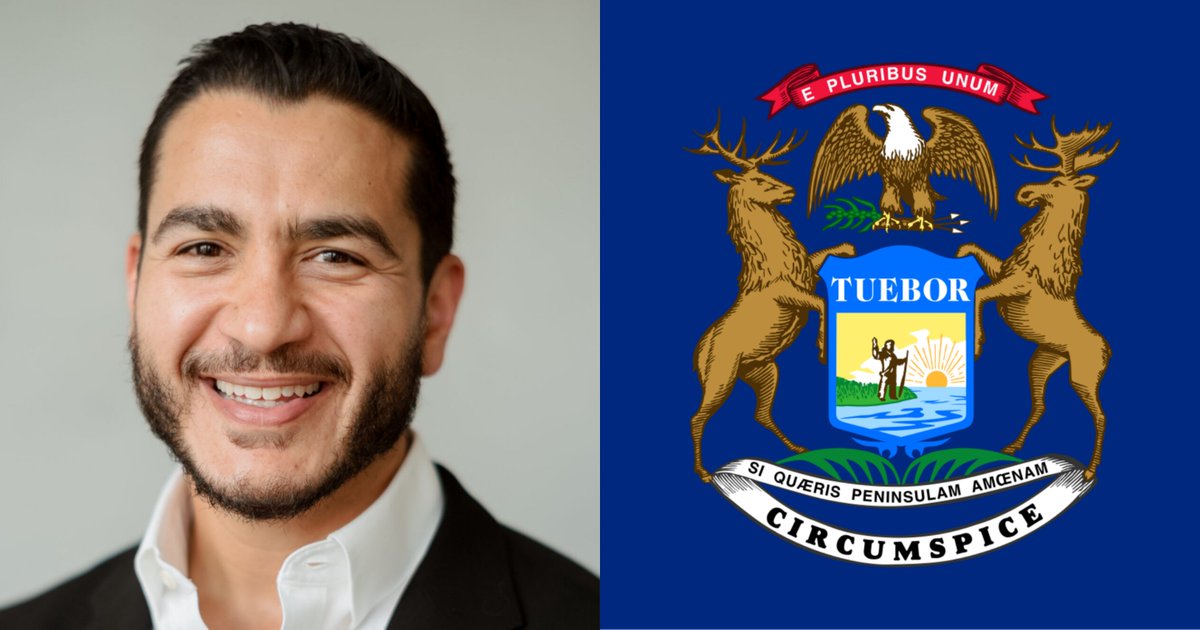
He didn’t just beat Mike Rogers. He beat the odds. He beat the fear. And he made history as the first Muslim elected to the U.S. Senate.
The Threat: A Web of Betrayal and Bigotry
The road to victory was a minefield. President Donald Trump personally fanned the flames of Islamophobia, baselessly tying El-Sayed to terrorism. Republican surrogates branded him a communist. Outside money flooded the state, desperate to stop him.
But the most devastating blow came from within.
Just days before the election, Rep. Haley Stevens—El-Sayed’s vanquished primary rival—reneged on her pledge to support him. She attended church with Mike Rogers on Sunday. By Monday, she had endorsed the Republican.
“This was a calculated betrayal,” a senior campaign aide told us. “They thought it would shatter our coalition. They were wrong.”
Internal polling showed the race tightening. Leaked memos revealed a multi-million-dollar scheme by GOP donors to pour last-minute cash into attack ads. They painted El-Sayed as a radical, a threat to Michigan values. But the voters saw through it.

The threat was real. The establishment had spoken. The knives were out.
The Trump Card: The People’s Verdict
But El-Sayed held a card no one saw coming: a silent, seething army of working-class voters—including Trump voters—who were tired of the same old game.
They came out in droves. They stood in line for hours. They chanted his name like a rock star. And when the results came in, they didn’t just win. They obliterated the opposition.
“This fight is not yet over,” El-Sayed told the roaring crowd. “The day I jumped into this race, I promised you I’d fight. The fights on your behalf. Now I’m asking you to support us for the next six years. This work is bigger than one senator. It’s about changing the game.”

The trump card wasn’t money. It wasn’t endorsements. It was the unshakable will of a community that refused to be silenced.
His victory keeps a key Democratic seat in the party’s fight for control of the Senate. It extends a GOP drought in Michigan that dates back to 1994. And it sends a shockwave through the political establishment.
But the question remains: Can a movement built on hope survive the brutal reality of Washington? Or will the same forces that tried to destroy him now try to co-opt him?
One thing is certain: Abdul El-Sayed is not done fighting. And neither are the people who put him there.
Final Thought
When the powerful conspire to silence a voice, and the people rise up to amplify it instead—what does that say about the future of American democracy?