The Strike: A Thank-You That Shook the Campaign
It looked like a routine shoutout. A thank-you to a union boss. A nod to a fired-up crowd in Battle Creek.
But behind that message was a covert strike. A strike that caught the opposition off guard.
Within hours, internal chatter went silent. Phones were wiped. The order was clear: embargo all communications.
Why? Because the thank-you wasn’t just gratitude. It was a signal. A signal that the ground game was already in motion—and the other side had no idea.
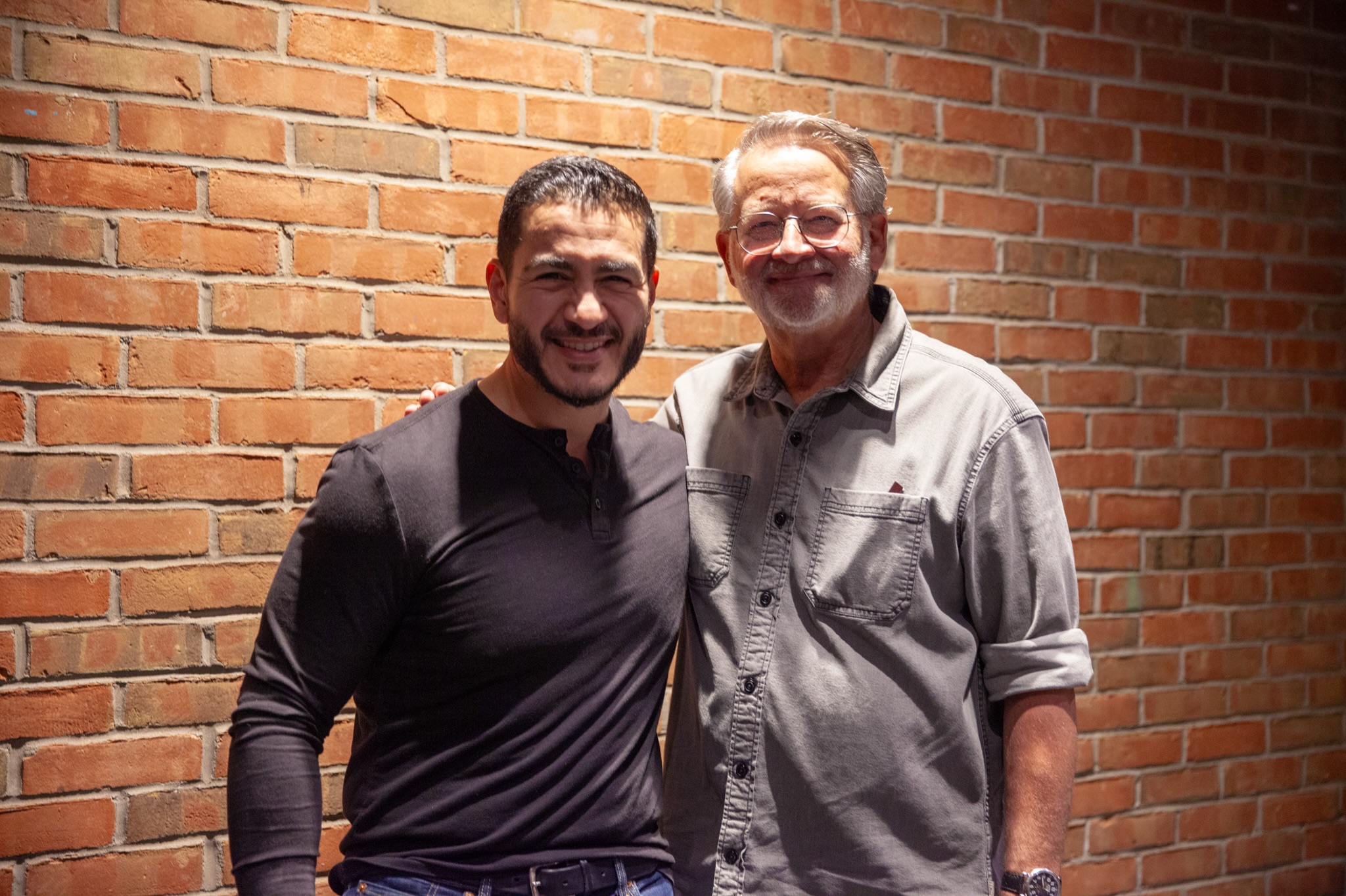
Insiders say the message was a coded call to arms. It wasn’t about thanks. It was about turnout. And turnout is the one thing the other side fears most.
The Threat: A Multi-Million Dollar Scheme to Suppress the Vote
New details have emerged about a multi-million-dollar operation designed to keep people home.
Leaked documents reveal a network of fake ride-share services, misleading polling place text messages, and targeted disinformation aimed at low-propensity voters.
The goal? Create confusion. Create apathy. Create a plan that doesn’t exist.
“They don’t need to stop you from voting,” a source close to the investigation said. “They just need you to think your vote won’t count. Or that you can’t get there.”
“It’s not enough to get your vote in. Reach out to your friends and family. Make sure they have a plan and a ride.”
That line—buried in a thank-you post—was the first public warning. But few caught it.
The scheme was weaponized generosity. Offers of free transportation that never show. Volunteers who collect personal information and disappear.
And it was all set to peak on Election Day.
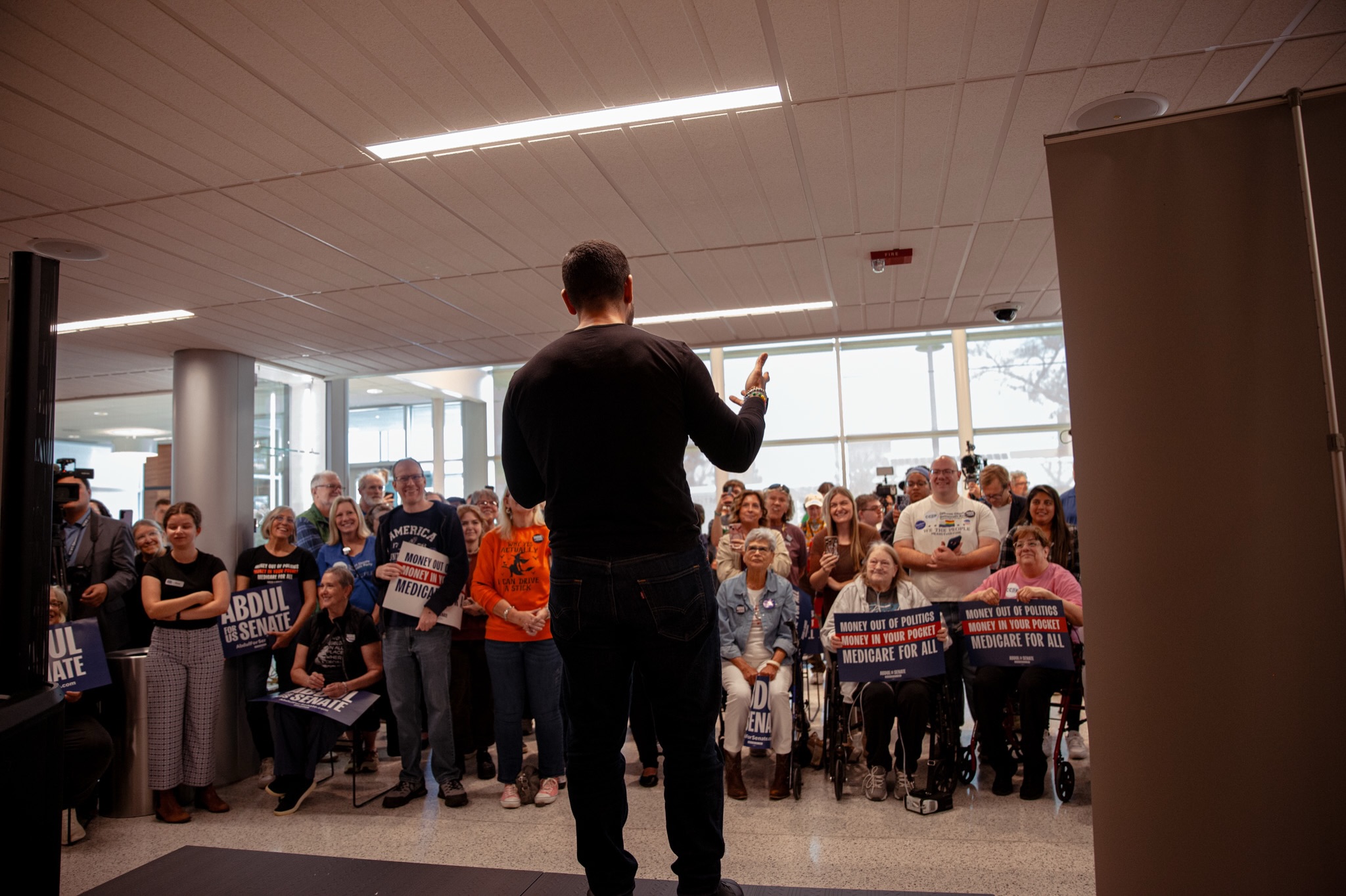
But the plotters made one mistake. They underestimated the ground game.
The Trump Card: The Plan and the Ride
While the scheme was being built, a counter-operation was already in place.
Union halls became command centers. Volunteers were trained to verify every ride, confirm every polling location, and escort voters to the door.
The thank-you message wasn’t just a thank-you. It was a green light.
“We’re not just asking for your vote,” the organizer said. “We’re asking for your plan. Your ride. Your network.”
That network is now the trump card. Thousands of volunteers. Tens of thousands of confirmed rides. A shadow turnout machine that the other side didn’t see coming.
And it all started with two words: Thank you.
But the story isn’t over. The scheme’s architects are still out there. The disinformation is still spreading.
And the question remains: How many voters will show up to the polls only to find their ride never came?
Or worse—how many will stay home because they didn’t have a plan?
The answer depends on what happens next. And on whether we’re willing to do more than just vote.