The Strike: A Political Execution
It was a swift, surgical strike. No warning. No mercy.
Michigan Democratic Party Chairman Curtis Hertel Jr. didn’t just criticize Rep. Haley Stevens. He erased her.
“Congresswoman Stevens is not a current member of the Michigan Democratic Party, nor will she be in the future,” Hertel declared, his words landing like a guillotine blade.
The announcement came Sunday, just 48 hours before the midterm elections, after Stevens—a Democrat who flipped a Republican district in 2018—shockingly endorsed Republican Mike Rogers for Michigan’s open Senate seat. The move stunned political observers and ignited a firestorm within the party.
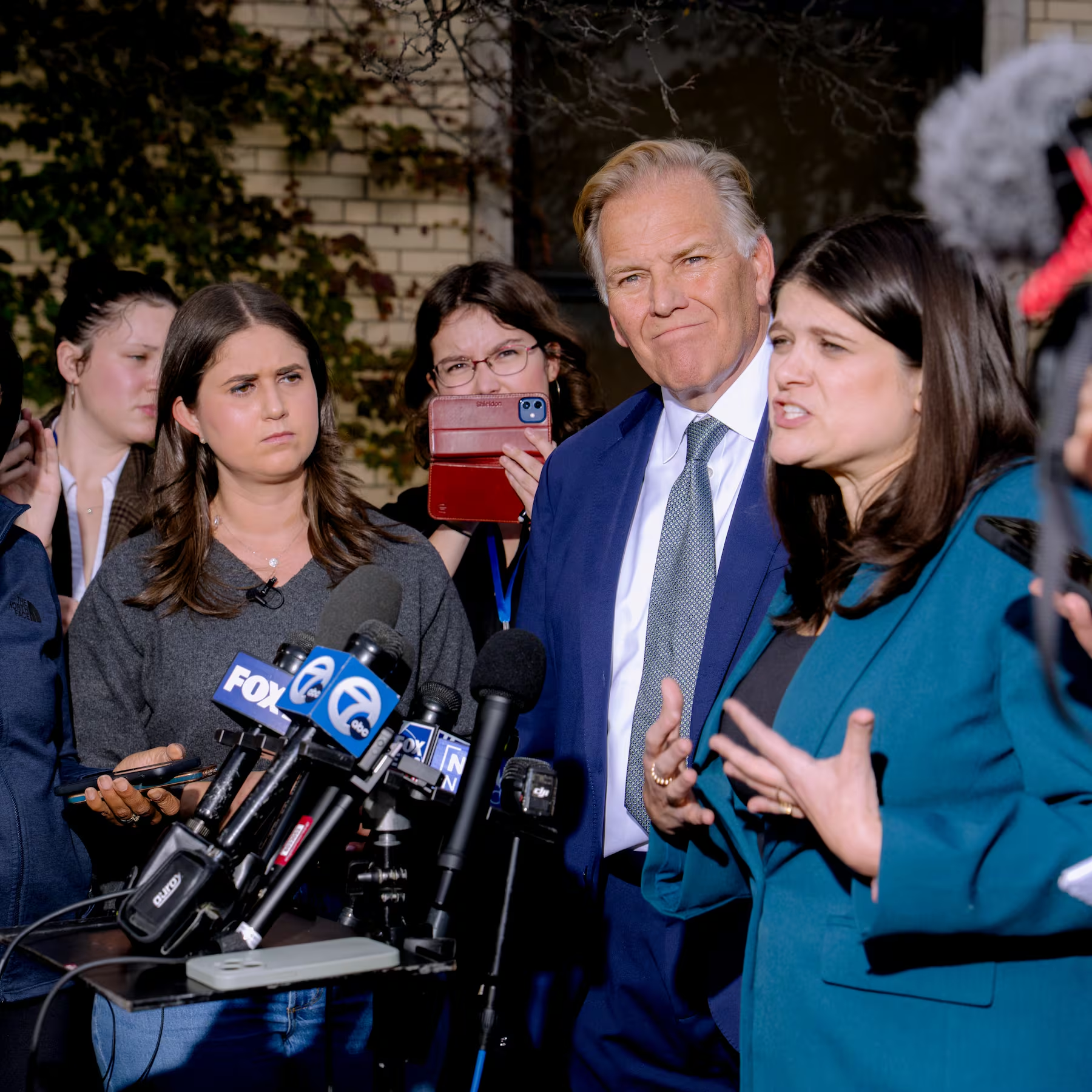
Within hours, the party’s website was scrubbed. Stevens’ name and photo vanished from the elected officials page. It was as if she had never existed.
But the question remains: What drove Stevens to commit political suicide? And what is Hertel hiding?
The Threat: A Secret Deal and a Staff Exodus
The official story: Stevens felt “unwelcome” in Democrat Abdul El-Sayed’s campaign after he narrowly defeated her in the primary. But sources close to the situation paint a darker picture.
According to leaked internal communications, Stevens had been secretly negotiating with Republican donors for weeks—promising to deliver moderate Democrats in exchange for future political favors. The endorsement of Rogers was not a spontaneous decision, but the culmination of a covert operation.
“She lied to the party. She lied to her constituents. And now she’s paying the price.” — Curtis Hertel Jr.
The betrayal cut deep. Several of Stevens’ own staff resigned in protest, including her chief of staff and communications director. One former aide described the atmosphere as “a funeral for her political career.”
But the real threat? A multi-million-dollar scheme to siphon Democratic funds toward Republican-backed initiatives—a scheme that Stevens allegedly helped orchestrate.

Hertel didn’t mince words: “Who cares what Haley Stevens thinks? She’s a traitor, plain and simple.”
Yet the timing of the announcement—just before the election—raises eyebrows. Was this a calculated move to galvanize the base? Or was there something more sinister at play?
The Trump Card: The Document That Changes Everything
Just when it seemed the story couldn’t get more explosive, a new development emerged.
An anonymous source within the Michigan Democratic Party has provided what insiders are calling “the trump card”—a sealed document that allegedly proves Stevens had been planning this defection for months. The document, reportedly a signed agreement between Stevens and a top Republican donor, outlines a detailed plan to undermine El-Sayed’s campaign and deliver key districts to Rogers.
But here’s the twist: The document also implicates several high-ranking Democrats who were aware of the scheme and did nothing to stop it.

Hertel has not commented on the document, but his swift action suggests he knows the stakes. By expelling Stevens, he may be trying to contain the damage—or he may be protecting himself.
Either way, the trump card has shifted the balance of power. Stevens is now a political pariah, but her allies remain in the shadows.
The Fallout: A Party in Crisis
The Michigan Democratic Party is reeling. The expulsion of a sitting congresswoman is unprecedented, and it has exposed deep fractures within the party.
El-Sayed, the man Stevens betrayed, has taken the high road. “At the end of the day, I don’t think about Haley Stevens,” he said. “None of this matters.”
But it does matter. The endorsement has energized Republicans, who are already using it to paint Democrats as divided and desperate.
Trump called Stevens “very brave.” Rogers called it “courage.” The praise from the other side only confirms the betrayal.
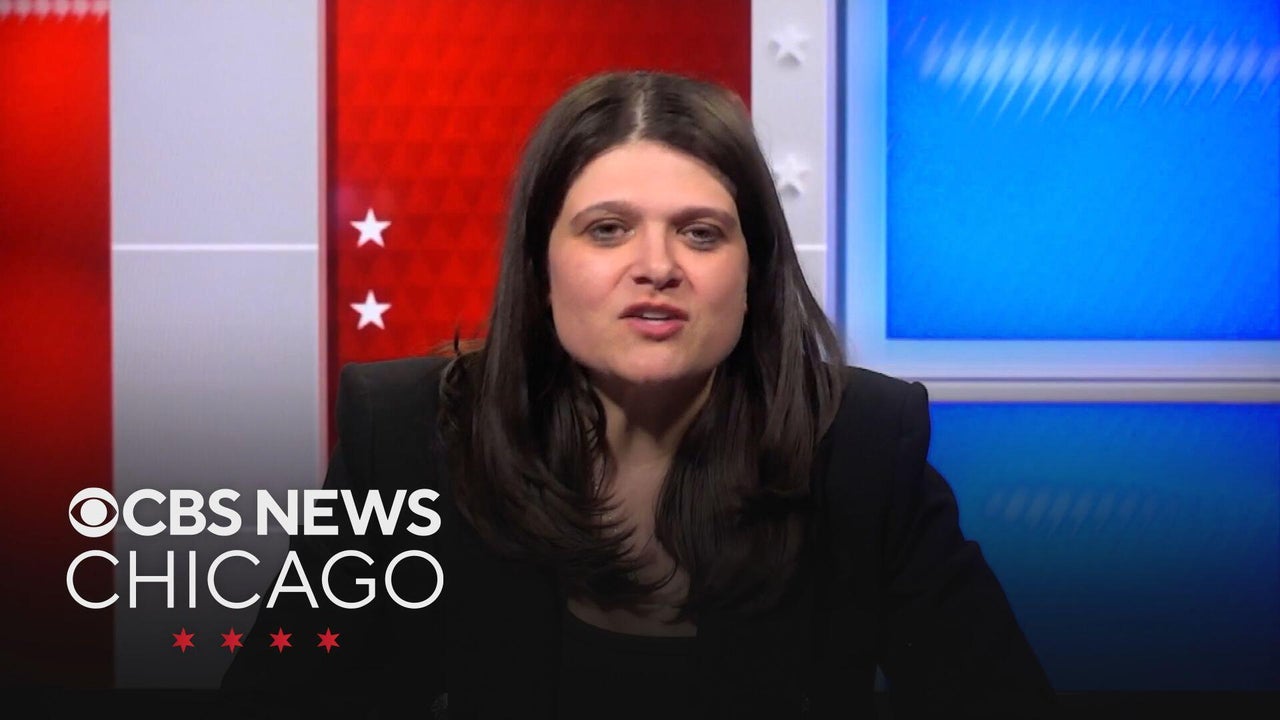
As the dust settles, one thing is clear: Haley Stevens’ political career is over. But the questions linger.
What was really in that document? Who else was involved? And will the truth ever come out?
In politics, betrayal is often rewarded. But this time, the price may be too high.
Conclusion: The Moral Question
In the end, we are left to wonder: Is party loyalty more important than personal conviction? And when a politician crosses the line, should they be banished forever—or forgiven?
As voters head to the polls, they must decide not just who to vote for, but what kind of politics they want. The expulsion of Haley Stevens is a warning: In the era of Trump, there is no room for dissent.
But perhaps the real question is: Who will be next?