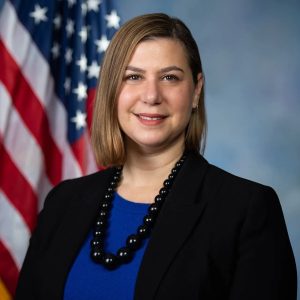
The internet is currently reacting to calls for party unity in Michigan, with demands that Haley Stevens actively rally her followers behind Abdul El-Sayed after his primary victory. The logic presented by supporters is straightforward: a unified front is a “win for Dems all over.” On the surface, this is standard post-primary procedure where the defeated candidate is expected to instantly become a loyal surrogate.
But beneath the surface-level calls for unity, a much sharper power dynamic is quietly playing out. This was not a polite disagreement. It was a brutal, multimillion-dollar proxy war for the ideological direction of the Democratic Party.
Throughout the primary, the political establishment and powerful lobbying groups poured tens of millions of dollars into backing Stevens and attempting to stop El-Sayed. They framed his progressive platform as a massive liability in a purple state. Now that he has secured the nomination, the progressive wing is demanding immediate and total loyalty from the very faction they just defeated.
This is where the real tension lies. Haley Stevens can issue a concession statement and offer her formal support. But a politician’s endorsement does not automatically transfer their donor base or their moderate swing voters.
The uncomfortable reality for El-Sayed is that he needs the exact establishment machine he ran against to defeat Republican Mike Rogers in the general election. The progressive base has proven it can win a primary, but the mathematics of a statewide general election in Michigan traditionally require holding the center.
This gives the defeated moderate wing massive hidden leverage. They do not have to publicly attack El-Sayed. They can simply withhold their financial resources and enthusiasm. If the donors who funded Stevens decide that a progressive like El-Sayed is too risky, they could quietly shift their focus to other races, effectively starving his campaign of crucial general election capital.
The pressure is currently being placed on Stevens to deliver her followers to the progressive nominee. But the burden of unity actually rests on El-Sayed. He must figure out how to co-opt the establishment without alienating the grassroots energy that just won him the nomination.
The upcoming race against Mike Rogers will not just test whether Democrats can hold a critical Senate seat. It will test whether an establishment base that was just violently overthrown is actually willing to fund the revolution.