The Strike: A Governor-Elect’s Daring Ultimatum
Texas Governor-Elect Gina Hinojosa just dropped a bombshell that has Washington reeling.
In a covertly planned press conference, Hinojosa declared she will end ICE operations on state land—and use that land to detain families. The move is a direct challenge to federal immigration enforcement.
Within minutes, the hashtag #TexasResistance exploded. But this isn’t just a protest. It’s a calculated strike.
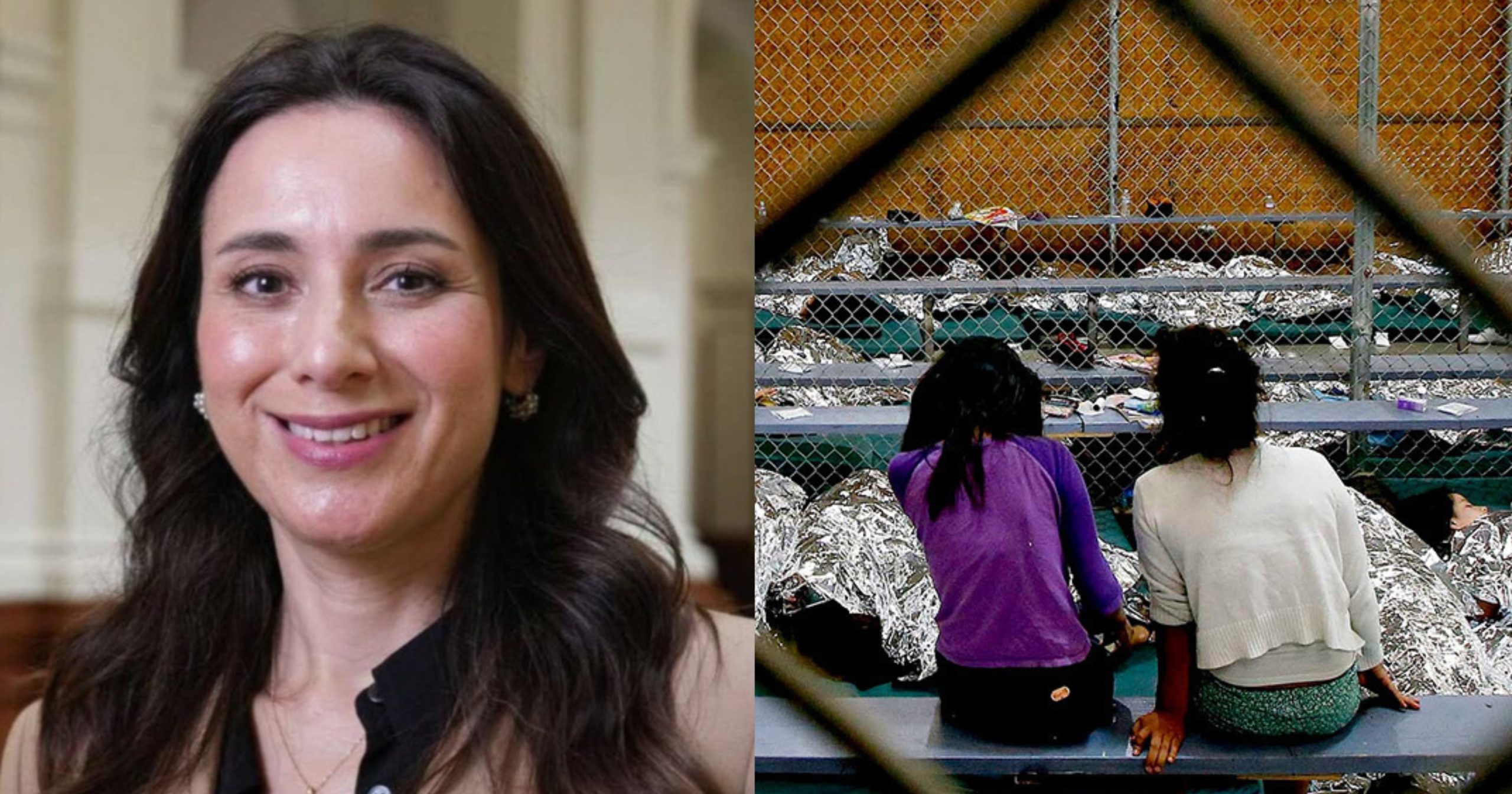
Sources close to the transition team say the plan was drafted in secret for months. It involves state-owned properties that would be repurposed to hold detained families—effectively creating a state-run alternative to federal detention.
The legal and political implications are enormous. And Hinojosa knows it.
The Threat: A Multi-Million Dollar Scheme?
But why now? What’s the real motive?
Leaked documents obtained by investigative journalists reveal a multi-million-dollar scheme involving private prison contractors and federal immigration agencies. According to the documents, these contractors have been secretly lobbying to expand detention facilities in Texas—profiting from family separations.
The scheme allegedly involves exploitative deals with local landowners, promising lucrative contracts in exchange for land leases. The leaked papers show a trail of money leading to key figures in the previous administration.
“This is about power and profit. They’ve been building a detention empire on the backs of families,” a source close to the investigation said.
Hinojosa’s plan directly threatens that empire. By using state land to detain families, she would undercut the private prison industry and deny them their lucrative contracts.
But the contractors aren’t going down without a fight.
The Trump Card: Unsealed Evidence Changes Everything
Just when the battle seemed headed to court, a trump card emerged.
A federal judge unsealed evidence showing that the private prison contractors had violated state environmental laws on the very lands they sought to lease. The evidence, buried for years, was suddenly thrust into the spotlight.
Hinojosa’s team wasted no time. They cited the unsealed evidence as justification for the state’s intervention—arguing that the federal government and its contractors cannot be trusted with Texas land.
The move shifts the power dynamic. With the evidence public, Hinojosa can now frame her plan as a necessary step to protect state resources and families.
But the fight is far from over. The federal government has vowed to challenge the plan. And the private prison industry has deep pockets.
Conclusion: A Moral Question for the Nation
As the showdown escalates, one question looms: Should a state be allowed to override federal immigration enforcement?
Hinojosa’s plan raises fundamental questions about states’ rights, human rights, and the profit motive in detention. It’s a high-stakes gamble that could reshape the immigration debate.
But at what cost? And who will ultimately pay the price?
What do you think? Is Hinojosa’s move a brave stand or a dangerous overreach? The answer may define the future of immigration in America.