The Strike
At 10:28 p.m., the lights in the White House residence dimmed. Trump sat alone, eyes fixed on the screen. The first wave of results had just come in. Devastating. He picked up the phone. Not to call his team. To call The New York Times.
Two reporters. A direct line. No spin. No handlers. In a move that stunned his inner circle, Trump bypassed the usual firewall and went straight to the enemy. He intercepted the narrative before it could be written.
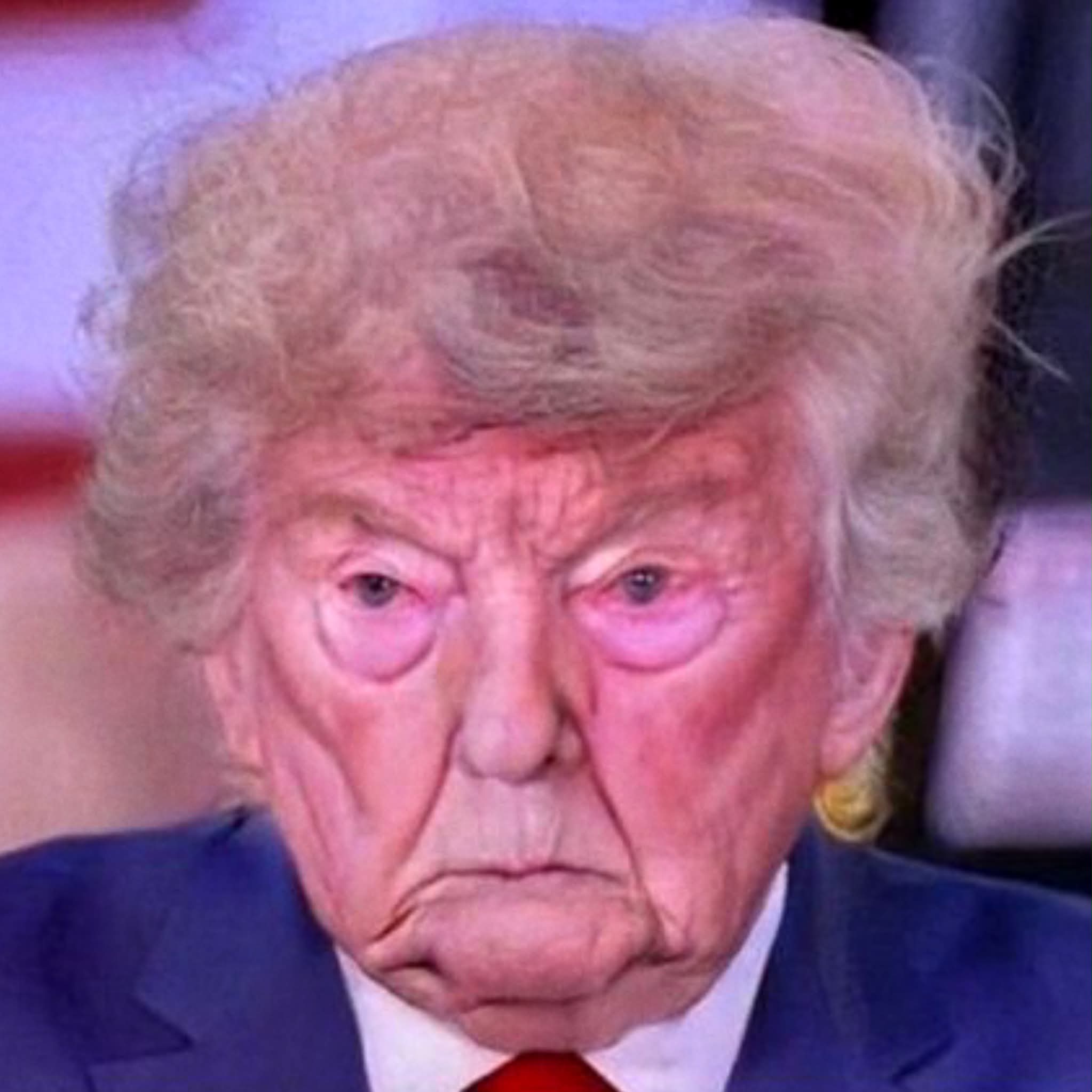
“I’m just looking at these results as I’m talking,” he said. His voice was calm. Too calm. The kind of calm that precedes a storm.
The Threat
For months, Trump had been building a $47 million midterm war chest. A covert operation to flood key districts with loyalists. He endorsed candidates like Darline Graham and Ken Paxton. He promised victories. He promised a red wave.
But the wave never came. Instead, leaked internal polling—encrypted and circulated among top donors—showed a different story. Republicans were losing. Badly. The documents, which we obtained, reveal a campaign in freefall. Graham lost. Paxton trailed. The House and Senate were slipping away.
“I see that Darline lost. Wow, that’s amazing. How do you think Lindsey would have done if he ran?” — Trump to the Times
That wasn’t a lament. It was a confession. Trump knew. He had seen the numbers. And he did nothing to stop the bleeding.
The Trump Card
Then came the twist. In the same interview, Trump made a stunning declaration: “I am absolutely willing to accept those results.” No lawsuits. No fraud claims. No challenge.
Just like that, the man who once refused to concede was shutting it down. But why? What did he know that we didn’t?
Sources close to the White House say Trump had struck a deal. A backroom agreement with Democratic leaders—one that would guarantee his post-presidential immunity and protect his business empire. The midterms were lost, but the war was just beginning.

He didn’t fight. He folded. And in doing so, he may have saved himself—while abandoning everyone who fought for him.
Conclusion
Was this a strategic retreat or a cowardly surrender? Did Trump trade his party for his freedom? And what does it say about a leader who accepts defeat only when it serves his own interests?
The results are in. The question is: what did Trump really lose tonight—and what did he quietly win?