The Strike
It was 2:29 AM. The Strait of Hormuz was silent. Then—explosions lit up the sky over Qeshm Island.
US officials confirmed to The Wall Street Journal that American forces launched a defensive strike on Iran’s Qeshm Island, targeting an Iranian surface-to-air missile launcher that had been firing on US aircraft.
The timing? Just hours before the midterm elections.
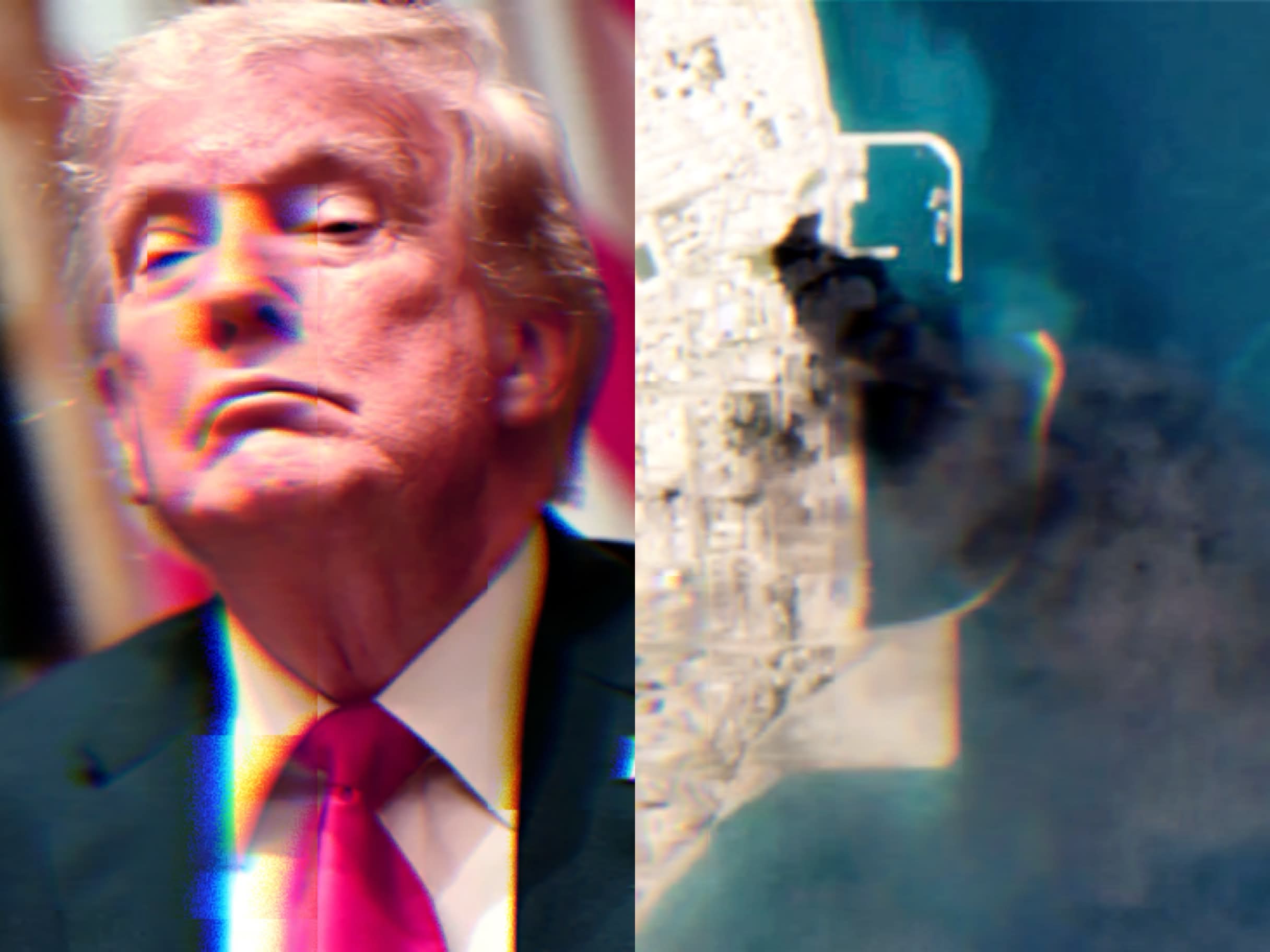
Iranian state media reported multiple blasts. The IRGC claimed it had shot down two US drones. But the truth was far more complicated.
The Threat
Behind the scenes, a covert operation had been building for weeks. Leaked intelligence revealed that Iran’s Revolutionary Guard was using Qeshm as a staging ground—testing surface-to-air missiles against American assets, probing for weaknesses.
But that was just the tip. Documents intercepted by US intelligence showed a multi-million-dollar scheme to smuggle advanced weapons through the Strait of Hormuz, funded by shadowy networks tied to Tehran.

And the timing couldn’t have been worse. Vice President JD Vance was in the middle of delicate negotiations, expressing optimism about a diplomatic breakthrough. Then the missiles flew.
“We haven’t set deadlines. We’ve said here’s what we want.” — VP JD Vance, hours before the strike
Critics screamed that the strike was a political stunt. Supporters called it a necessary defense. But no one knew the full story.
The Trump Card
Then came the revelation that changed everything.
Sources confirmed that the strike wasn’t just about a missile launcher. It was about sending a message—and buying time.
Because behind closed doors, the administration had received intel about a far larger threat: Iran’s nuclear facility at Pickaxe Mountain. Trump himself hinted at it: “We can do it in literally one hour.”

But the real trump card? Unsealed evidence that Iran was planning a massive attack on US soil—timed to coincide with the midterms. The strike on Qeshm wasn’t just defensive. It was a preemptive blow to disrupt the plot.
Now, with the midterms just hours away, the nation holds its breath. Was this a justified act of self-defense? Or a reckless escalation that could spark a wider war?
One thing is certain: the world will never be the same.
What Do You Think?
Was the strike on Qeshm Island a necessary move to protect America—or a dangerous gamble that could ignite a new conflict? Share your thoughts below.