The Strike: Oregon’s Mask Ban Ignites a Firestorm
It started as a whisper. A covert maneuver. Then it became law.
On a quiet Thursday in March 2026, Oregon Democrats approved a measure that would bar federal immigration officers from wearing masks. The move was swift. Calculated. Devastating.
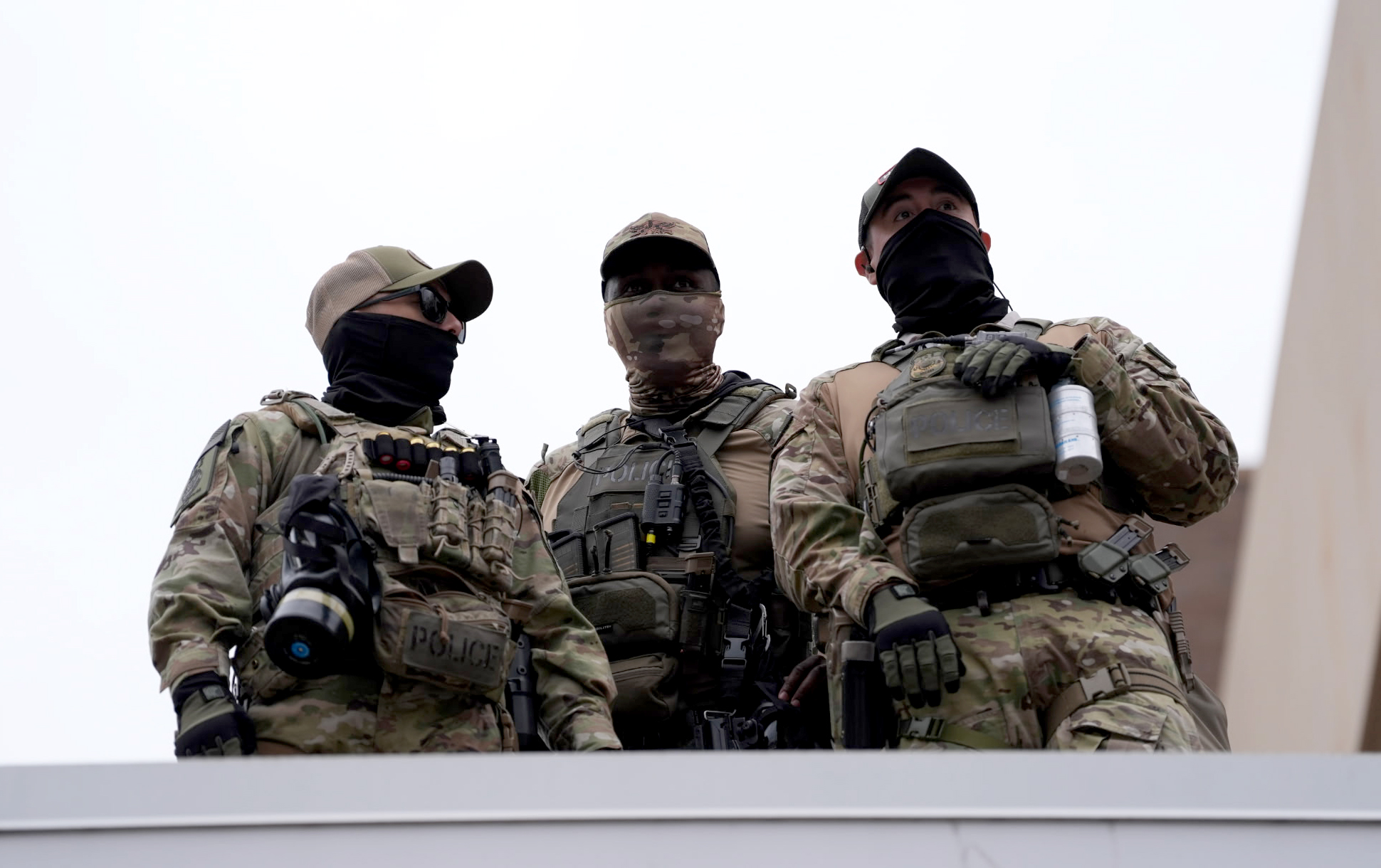
No longer could ICE agents hide behind anonymous faces. No longer could they detain, question, or arrest without showing their badges and names. The message was clear: accountability or nothing.
“When someone has the power to stop you, question you, detain you, or arrest you, you deserve to know who they are and who they work for,” Sen. Wlnsvey Campos declared on the Senate floor.
The bill, House Bill 4138, didn’t just target ICE. It applied to all law enforcement—local, state, and federal. A masterstroke. A legal trap.

But the Trump administration wasn’t about to take this lying down.
The Threat: A Multi-Million-Dollar Scheme to Hide in Plain Sight
Behind closed doors, the Department of Homeland Security was building something sinister. A covert operation. A multi-million-dollar scheme to keep agents masked and unaccountable.
Leaked documents revealed a nationwide push: masks as a tool of intimidation. Videos surfaced of masked federal officers detaining people in the streets. Critics called them “secret police.”
The agency argued masks prevented doxing. But internal memos told a different story. A story of exploitative deals and betrayal of public trust.
Then came the counterattack.
The Trump administration sued California over its mask ban—and won a federal court order blocking it. They sued New Jersey. Connecticut. But Oregon? They stayed silent. Too silent.
Why? Because Oregon’s law was different. It didn’t single out federal agents. It applied to everyone. A legal fortress.
The Trump Card: The 9th Circuit Loophole That Could Change Everything
Just when it seemed Oregon had outsmarted the feds, a new twist emerged.
A federal judge in California struck down the state’s mask ban—but upheld a requirement to display identification. The ruling suggested that a ban on masks could be upheld if it wasn’t only applied to federal workers, but to all law enforcement officers.
Oregon’s law did exactly that. It was a trump card hidden in plain sight.
But the battle wasn’t over. The Trump administration could still challenge the law. And legal experts warned of Supremacy Clause problems. The question: Can a state regulate how federal agents do their jobs?
Oregon’s Attorney General was ready. “We’ll have to litigate that,” they said.
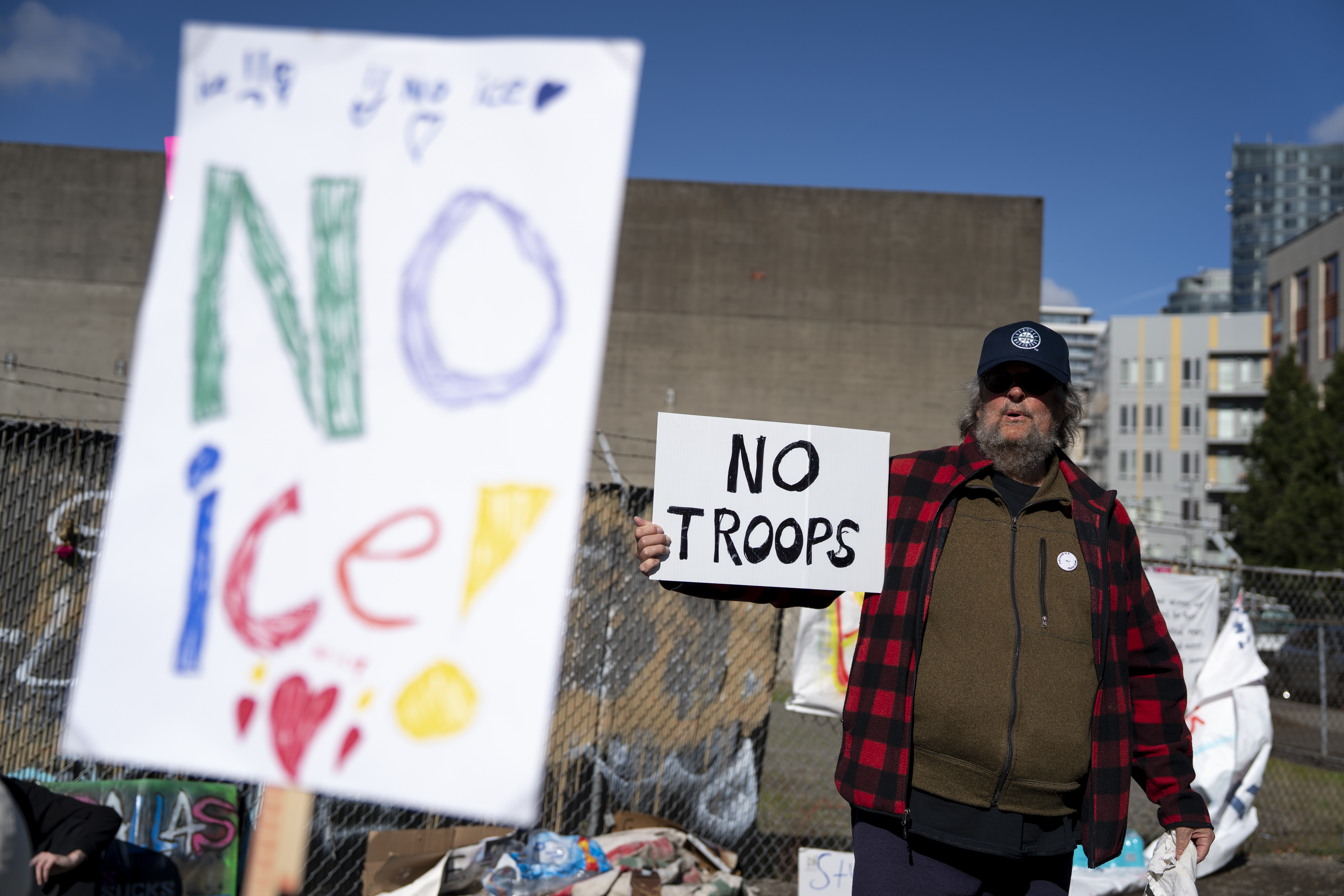
The stakes couldn’t be higher. If Oregon wins, other states could follow. If it loses, the mask ban could crumble.
And the real victims? The people who deserve to know who’s knocking on their door.
Conclusion: A Question of Power and Trust
Oregon’s mask ban is more than a law. It’s a statement. A line in the sand.
But as the legal battle looms, one question remains: Should any government agent be allowed to hide their identity while wielding the power to detain, arrest, or deport?
Or is anonymity the new face of authority?
What do you think? Is Oregon’s law a bold step toward accountability—or a dangerous overreach? The answer might define the future of policing in America.