The Strike: A Governor’s Midnight Ultimatum
TRENTON — The letters went out at dawn. Twelve of them. Sealed. Encrypted. Delivered to the most powerful port and terminal operators in New Jersey.
Governor Mikie Sherrill didn’t blink. She didn’t negotiate. She dropped a hammer.
“Turn away any tanker carrying Russian diesel. Or face harsh penalties.”
That was the message. Blunt. Final. A direct strike against a shadow trade that has Washington on edge.
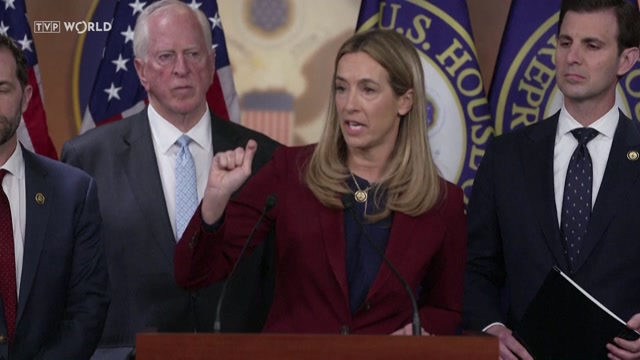
Sherrill, a former Navy helicopter pilot, didn’t mince words. Accepting Russian fuel, she said, violates federal law. And she’s prepared to use “every available legal and regulatory tool” to stop it.
But this isn’t just about law. It’s about a looming confrontation with the White House.
The Threat: A Multi-Million-Dollar Shadow Scheme
Here’s what they’re not telling you.
On October 9, the Treasury Department’s Office of Foreign Assets Control quietly issued General License 135. It authorizes transactions involving Russian diesel through April 7, 2027. A temporary lifeline. A pressure valve for soaring fuel prices.
But critics call it a backdoor. A betrayal.
Sherrill’s letter points to a darker truth: Russia is a known supplier and financial supporter of Iran. American soldiers are in harm’s way. And every gallon of Russian diesel that flows into New Jersey ports, she argues, funds that very hostility.
“Any effort to profit from the illegal trade in Russian fuel will be met with harsh penalties.”
The recipients? Energy giants. IMTT. Kinder Morgan. Phillips 66. All silent. All watching.
And then there’s the tanker. The Agioi Fanendes. It’s still at sea. Destination unconfirmed. But it’s heading west. Toward the U.S. East Coast. Toward New Jersey.

No one knows if it will try to dock. But the pressure is building. The stakes are rising. And Sherrill is not backing down.
The Trump Card: Federal Law vs. Executive Order
Here’s the twist.
Sherrill isn’t just posturing. She has the law on her side. Congress banned Russian energy imports in April 2022. That ban is still on the books. General License 135 might authorize transactions, but it doesn’t override the statutory ban—or so Sherrill argues.
The Trump administration disagrees. An official told CBS News that the license complies with all applicable U.S. laws. But Sherrill’s letter warns of millions of dollars in penalties—penalties that could haunt operators long after Trump leaves office.
It’s a legal gamble. A political chess match. And Sherrill just made her move.
“New Jersey will not stand by while Donald Trump supports Vladimir Putin at the expense of Americans.”
She’s not alone. Other states are watching. Other governors are weighing their options. If Sherrill succeeds, she could spark a nationwide revolt against the federal waiver.
But if she fails? The tankers will keep coming. The money will keep flowing. And the ports of New Jersey will become a gateway for Russian fuel—a silent surrender to a strategy that puts profit over principle.

The Agioi Fanendes is still out there. Its crew is silent. Its owners are invisible. But its next move could ignite a constitutional crisis.
And Mikie Sherrill is waiting.
Conclusion: A Question of Conscience
So here’s the moral question: When a governor stands up to a president over foreign oil, who really holds the power? Is it the one who signs the letters—or the one who signs the waivers? And if that tanker docks in New Jersey, will we see justice—or just another deal?
The answer may lie in the dark waters of the Atlantic. And it’s getting closer.