The Strike
It was a political earthquake. In the final days of one of the nation’s most closely watched Senate races, Democratic Rep. Haley Stevens did the unthinkable: she endorsed the Republican, Mike Rogers, against her own party’s nominee, Abdul El-Sayed.
The move sent shockwaves through the Democratic establishment. But El-Sayed’s response was swift and devastating.
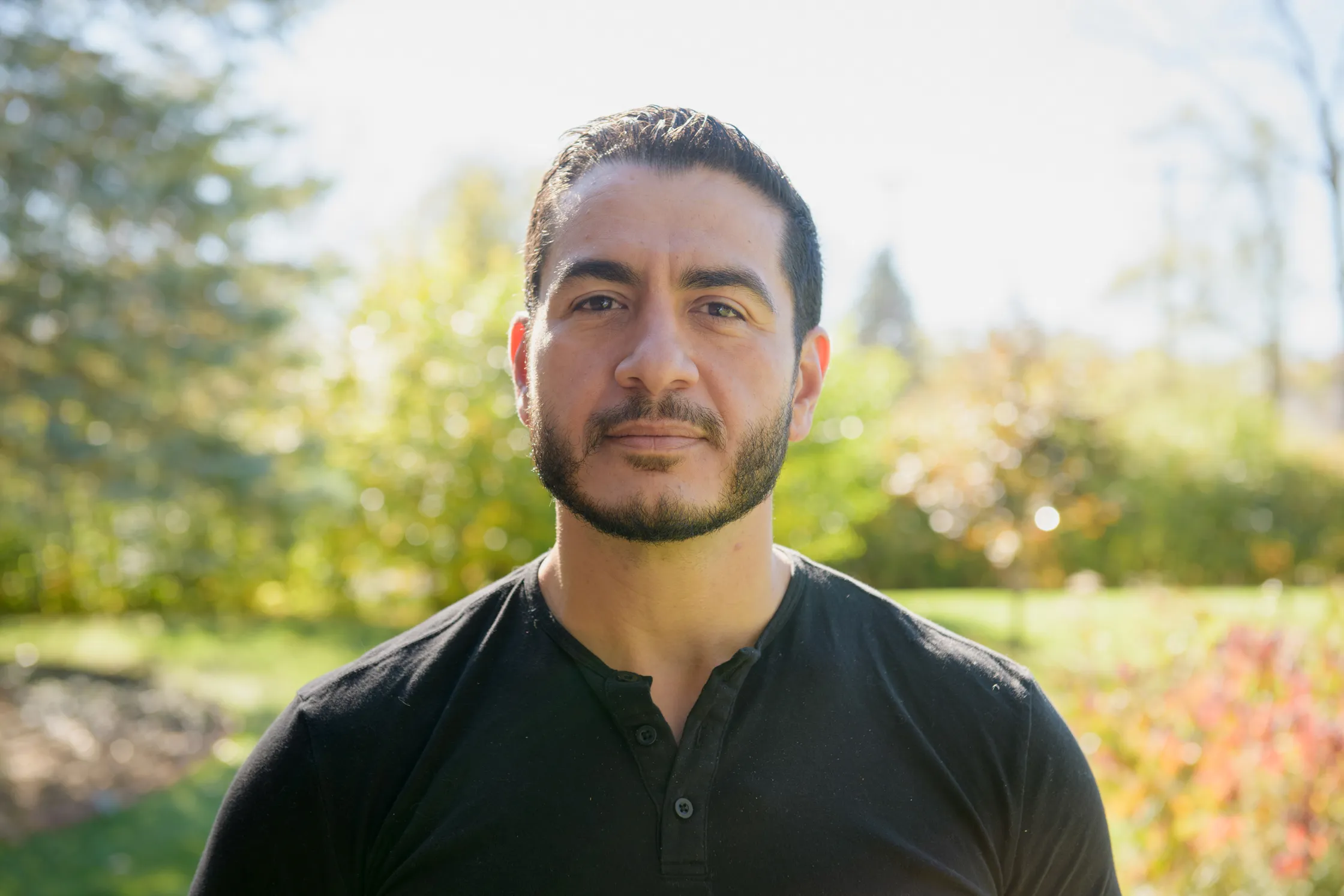
Within hours, his campaign had raised a staggering $1.2 million—his second-best fundraising day since winning the nomination. The message was clear: his supporters were not backing down. They were firing back.
The Threat
But the endorsement was just the tip of the iceberg. Behind the scenes, a covert operation was unfolding—one that threatened to derail El-Sayed’s insurgent campaign and hand the Senate seat to the GOP.
Sources close to the campaign reveal that Stevens had been secretly negotiating with Republican operatives for weeks. Leaked documents show a coordinated effort to undermine El-Sayed’s progressive platform and exploit divisions within the Democratic Party.
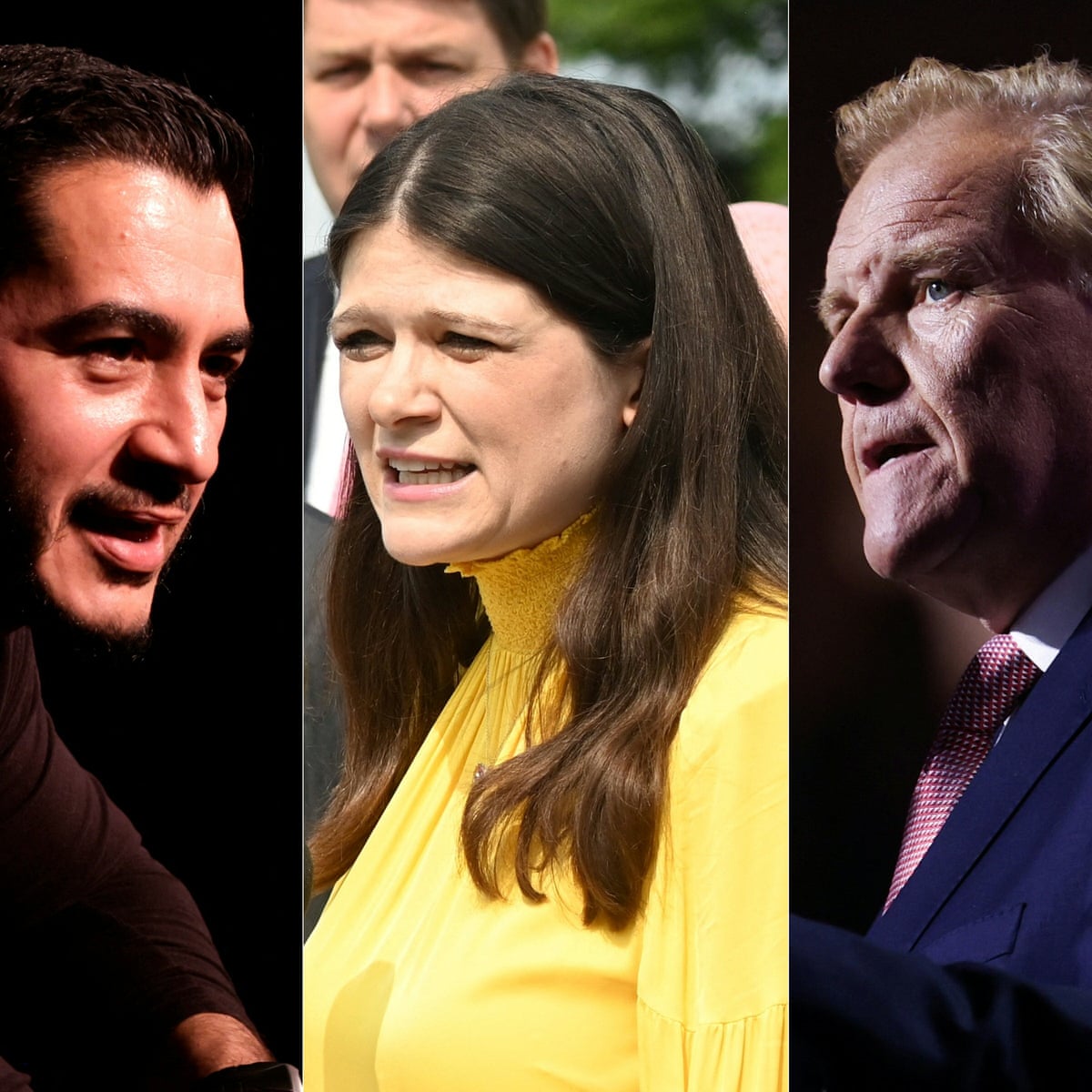
The scheme was multi-million-dollar: a series of attack ads linking El-Sayed to antisemitism, designed to peel away moderate voters and Jewish Democrats. Stevens demanded El-Sayed condemn an ad from an outside group that linked U.S. support for Israel to rising grocery prices—an ad critics called antisemitic. El-Sayed refused, saying his campaign had nothing to do with it.
“Some people would love for the last days of this race to be about politicians. I will not be distracted.”
But the betrayal went deeper. At least eight House Democrats, including Reps. Lateefah Simon, Marc Veasey, and Emily Randall, called for Stevens’ expulsion from the House Democratic Caucus. The party was fracturing—and El-Sayed was at the center of the storm.
The Trump Card
Then came the twist that changed everything. In a joint fundraising email with the Democratic National Committee, El-Sayed’s campaign unleashed its secret weapon: a massive grassroots mobilization that turned the betrayal into a rallying cry.

The subject line read: “Who this election is actually about?” The answer was clear: the people. In just four hours, $1.2 million poured in from small-dollar donors across the country. It was a stunning rebuke to the establishment and a testament to El-Sayed’s grassroots power.
But the real trump card? A New York Times/Siena poll released Sunday showed El-Sayed leading Rogers 53% to 42%—before the endorsement even happened. The betrayal may have backfired spectacularly.

With just days until the election, the race has become a national referendum on party loyalty, integrity, and the power of the people. El-Sayed’s campaign is now surging, and the Democratic establishment is reeling.
The Moral Question
In politics, betrayal is often a weapon. But when a party turns on its own, who really pays the price? Is this the end of Democratic unity—or the beginning of a new kind of politics? The answer lies with the voters.