The Strike: Judge Gleason’s Gavel Comes Down
It was a Sunday morning shockwave. U.S. District Judge Sharon Gleason didn’t flinch. She didn’t stall. She slammed the gavel on the Trump administration’s audacious lawsuit—dismissed.
In a 20-page order, Gleason ruled the federal government had no standing to meddle in Alaska’s Senate race. No jurisdiction. No case. The DOJ’s brazen attempt to block certification if Democrat Mary Peltola wins? Dead on arrival.
“Therefore, this court lacks jurisdiction and the United States’ amended complaint must be dismissed.”
Less than two hours later, the Justice Department vowed to appeal. But the damage was done. The first round belonged to democracy—and to Peltola.
The Threat: A Multi-Million-Dollar Scheme to Steal a Seat
This wasn’t a lawsuit. It was a heist.
Trump personally ordered the DOJ to file the case. The target: Alaska’s Senate seat. The method: a legal long shot that would let Republicans overturn a Democratic win.
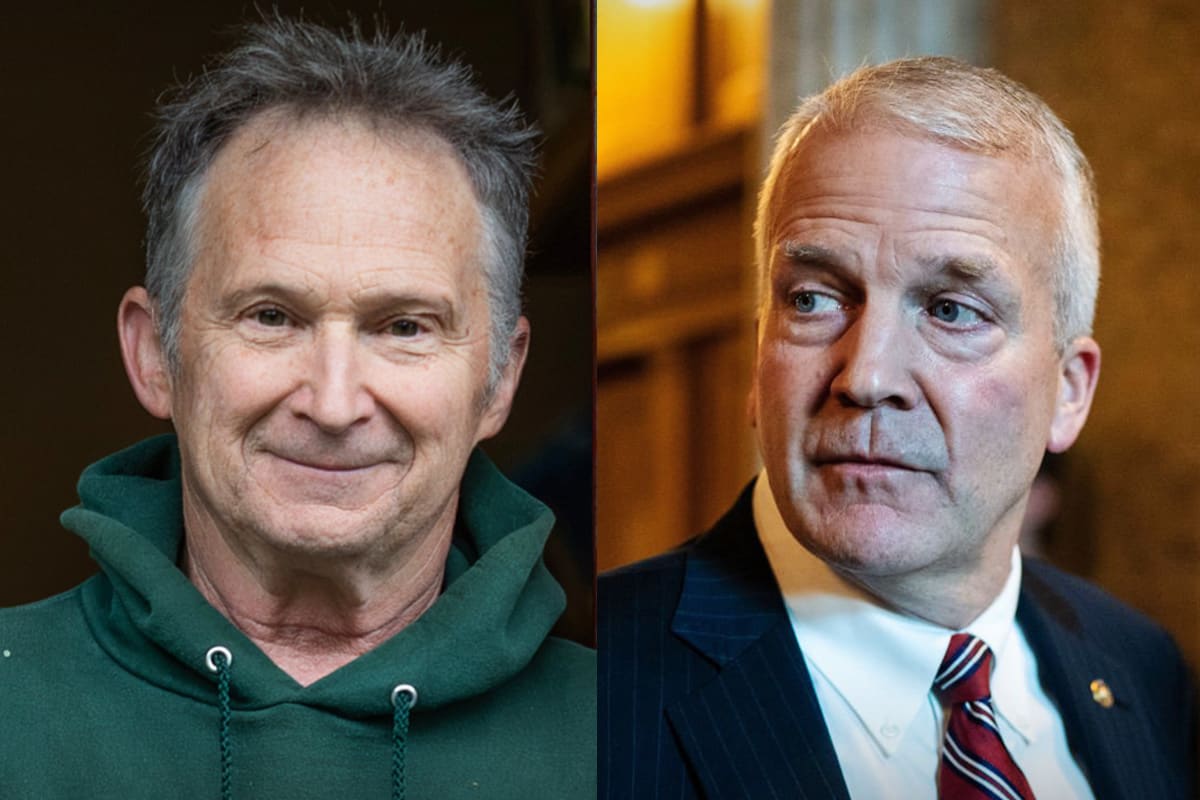
The scheme hinged on a ballot quirk. Two Dan Sullivans. One, the Republican incumbent. The other, a retired teacher with no party affiliation. The DOJ argued that if Peltola won, votes for Daniel J. Sullivan might have been meant for Dan S. Sullivan—and demanded an investigation into anonymous ballots.
Legal experts called it absurd. The Constitution gives states control over elections. The secret ballot is sacred. But Trump’s team pushed forward, backed by a multi-million-dollar legal war chest and a network of loyalists.
“If this Court were to order that certain ballots will be segregated and subject to a future and as yet unspecified investigation by law enforcement, it would likely result in voter ‘confusion and consequent incentive to remain away from the polls.’”
Gleason saw through it. The plan would have disenfranchised thousands—and handed the GOP a Senate seat by default.
The Trump Card: Peltola’s Inevitable Swearing-In
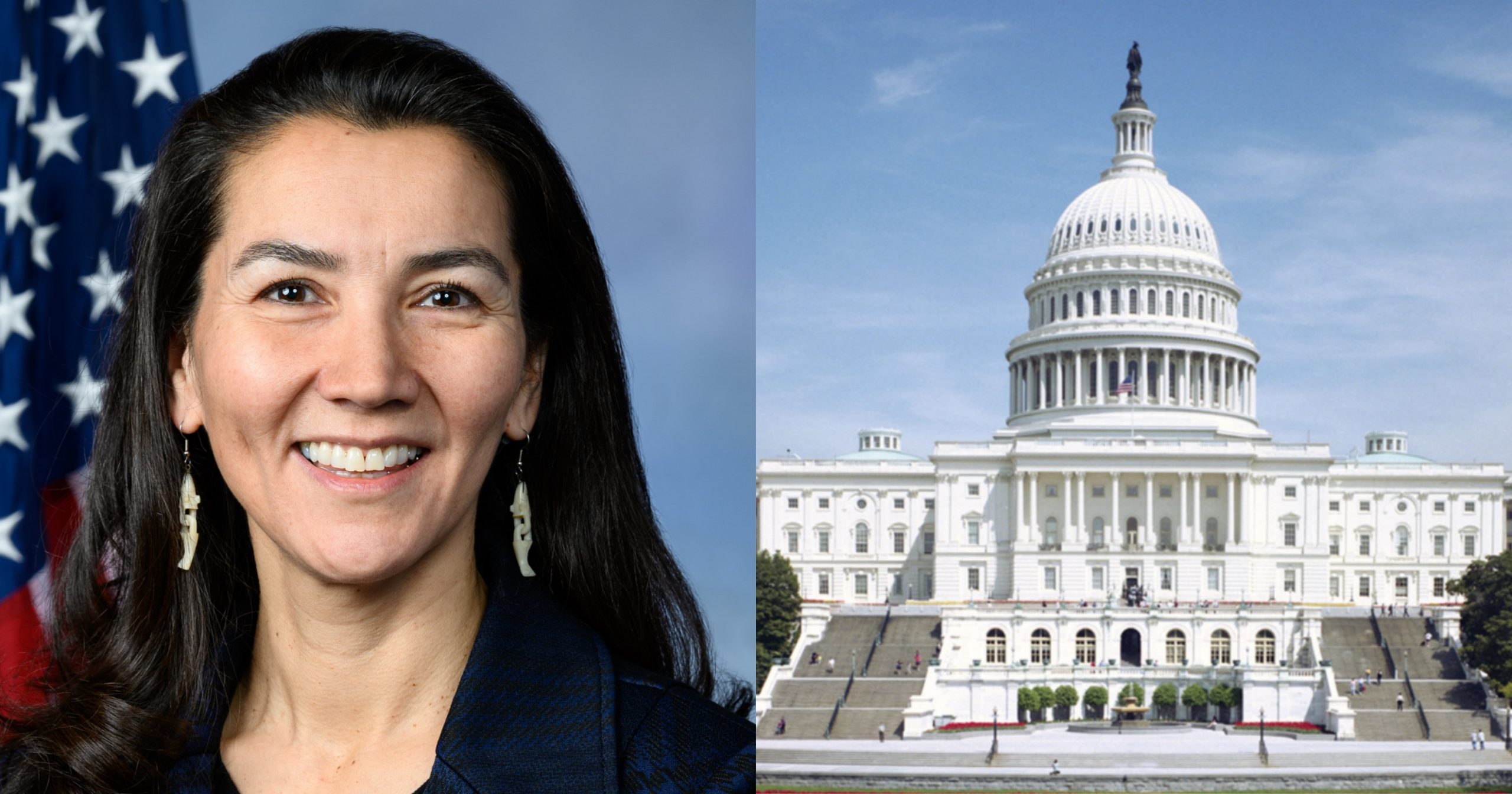
Mary Peltola isn’t waiting. If elected, she will be sworn in. The judge’s ruling clears the path.
Polling averages show Peltola slightly ahead. The appeal to the 9th Circuit? It may not even be heard before Election Day. And if Peltola wins by a margin larger than the votes for Daniel J. Sullivan, the case becomes moot.
But the threat isn’t over. The DOJ’s civil lawsuit may be dead, but criminal investigations continue. The administration could still try to challenge the results. The 9th Circuit could revive the case. The clock is ticking.
Yet for now, the trump card is in Peltola’s hands. A federal judge has spoken. The rule of law has held. And Alaska’s Senate seat may soon belong to the people—not the president.

A Question of Power
When a president tries to overturn an election, and a judge says no, what happens next? The appeal is filed. The clock is ticking. And the ultimate verdict may rest not in a courtroom, but at the ballot box.
Will the rule of law hold—or will the next legal maneuver turn the tide? The answer will define not just Alaska’s Senate seat, but the future of American democracy.