The Silent Strike: Apple’s Digital Erasure
It wasn’t a bomb. It wasn’t a bulldozer. It was a quiet update, pushed to millions of phones overnight.
Apple Maps, the default navigation tool for over a billion devices, has restored buildings in Gaza that no longer exist. Satellite imagery shows pristine neighborhoods, intact streets, and thriving infrastructure — all in places reduced to rubble by months of bombardment.
Meanwhile, Google Maps updated its imagery in 2024, 2025, and 2026, revealing the stark reality: entire blocks flattened, hospitals in ruins, and tent cities rising from the ashes.
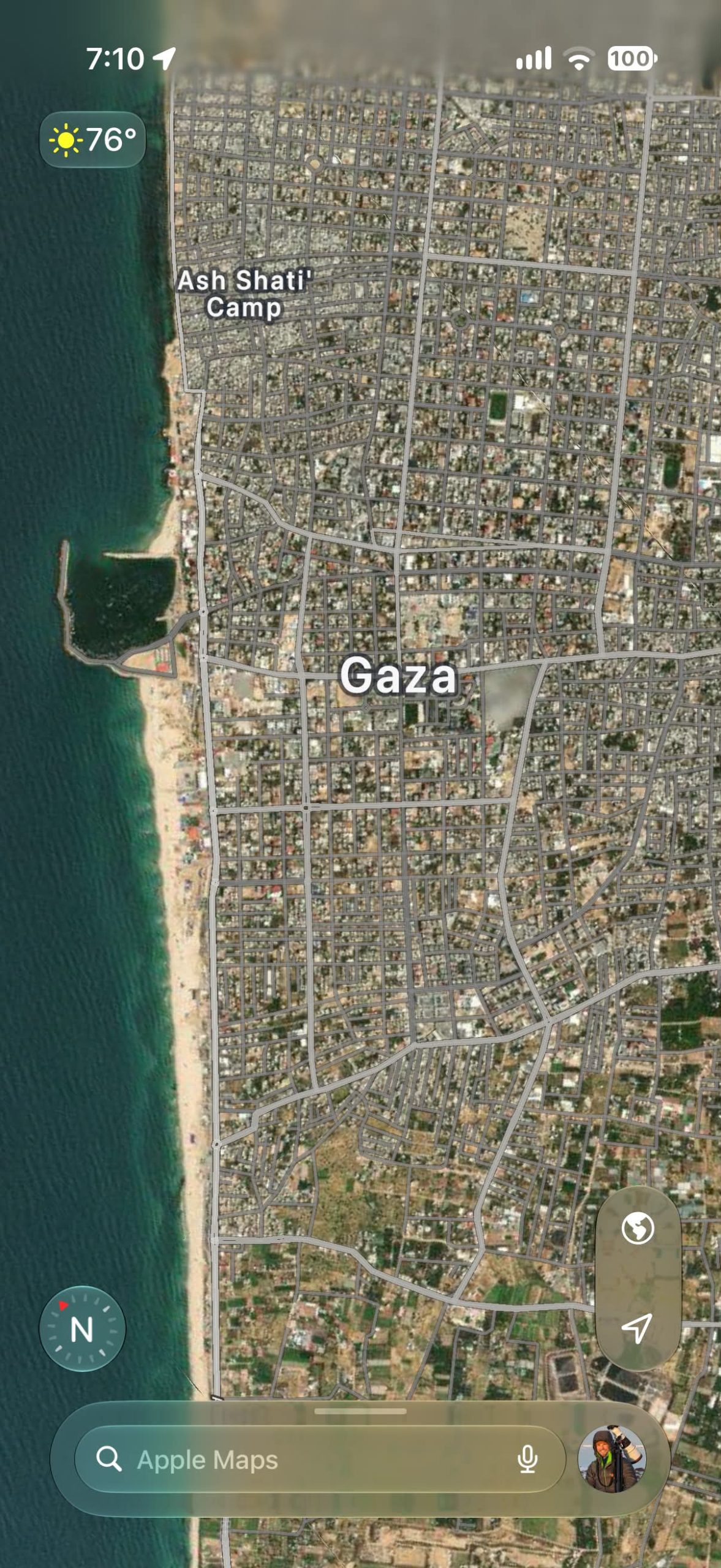
Critics call it digital genocide denial — a high-tech sleight of hand that makes the destruction invisible to the world.
The Threat: A Multi-Million Dollar Cover-Up?
Why would Apple, a company that prides itself on social justice, choose to hide the truth?
Sources close to the matter point to Apple’s deep ties with Israel. The company operates its second-largest R&D center in Herzliya, just 50 miles from Gaza. It has invested billions in the Israeli economy. And when Gaza burned, CEO Tim Cook sent a company-wide email expressing heartbreak — but only for Israeli victims.
“This is real estate fantasy rather than urban planning,” experts say of plans to rebuild Gaza as a coastal paradise. But Apple’s maps are already selling the fantasy.
Internal documents suggest Apple deliberately withheld updated imagery to align with a broader political agenda: erasing the evidence of genocide to pave the way for reconstruction deals that benefit the powerful.
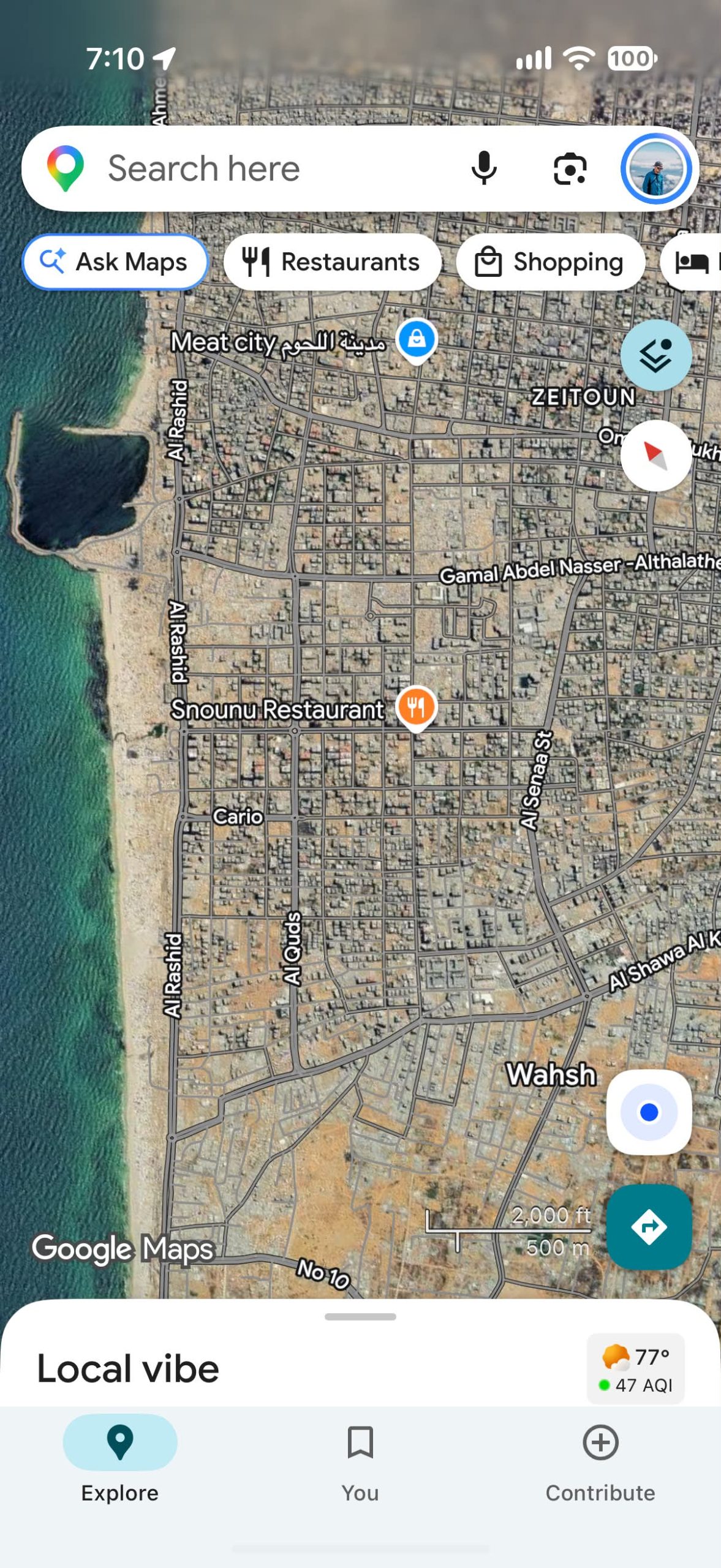
While Google faces backlash for showing the truth, Apple escapes scrutiny — because its maps show a lie.
The Trump Card: The Archive That Refuses to Forget
But the truth has a way of surfacing.
A coalition of digital archivists, human rights researchers, and open-source investigators has built a countermeasure: Archive Genocide, a project that geolocates and preserves every piece of footage from Gaza before it’s deleted or buried.
Using AI and satellite imagery, they’ve mapped 198,000 damaged or destroyed structures as of October 2025. Their tool monitors journalists’ accounts and secures evidence in real-time. They’ve created an interactive map that lets anyone see the destruction — building by building, street by street.
“As footage continues to emerge from Gaza, Archive Genocide is working to ensure it is not lost, erased, or forgotten,” the project’s founders state.
This archive is the trump card. It bypasses Apple’s sanitized maps and Google’s corporate caution. It puts the truth directly into the hands of the public — and it’s already being used to hold perpetrators accountable.

With each new data point, the digital cover-up becomes harder to maintain. The question is: will the world look at the evidence, or will it keep trusting the map that lies?
The Moral Question
In an age where tech giants control what we see, can we afford to let them decide what we remember? If a map can erase a genocide, what else can it erase?
Share this if you believe the truth deserves to be seen.