The Strike That Lit Up the Sky
4:00 a.m. Kstovo, Russia. The sky turned orange. Then black. Then orange again.
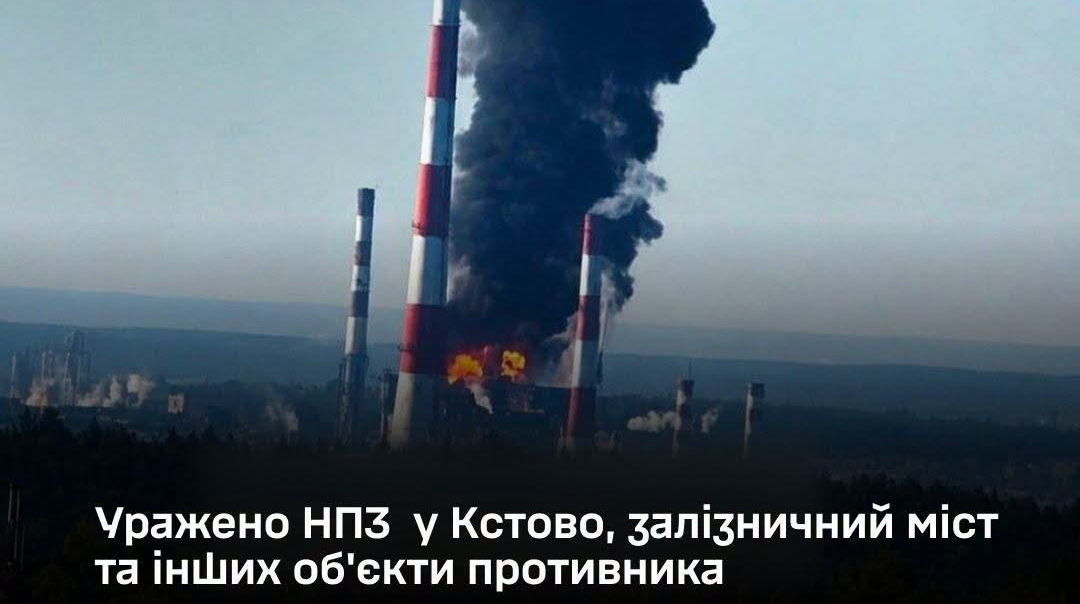
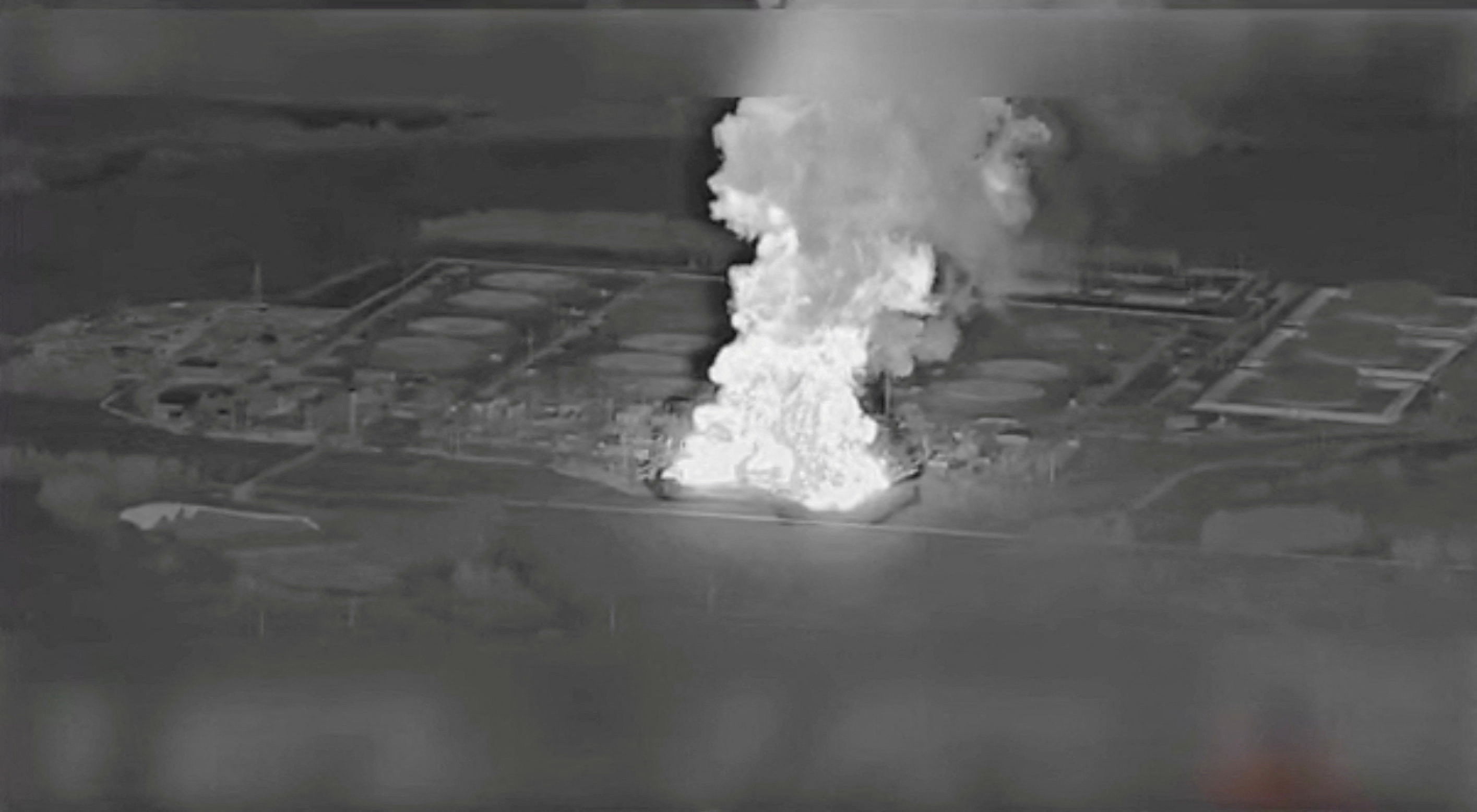
Residents woke to the roar of low-flying drones and the thunder of explosions. Ukrainian long-range strike drones had found their target: the Lukoil-Nizhegorodnefteorgsintez refinery—one of Russia’s largest, capable of processing 340,000 barrels per day.
Within minutes, multiple fires erupted across the sprawling industrial complex. The adjacent Novogorkovskaya power plant was hit too. Plumes of smoke blotted out the sunrise.
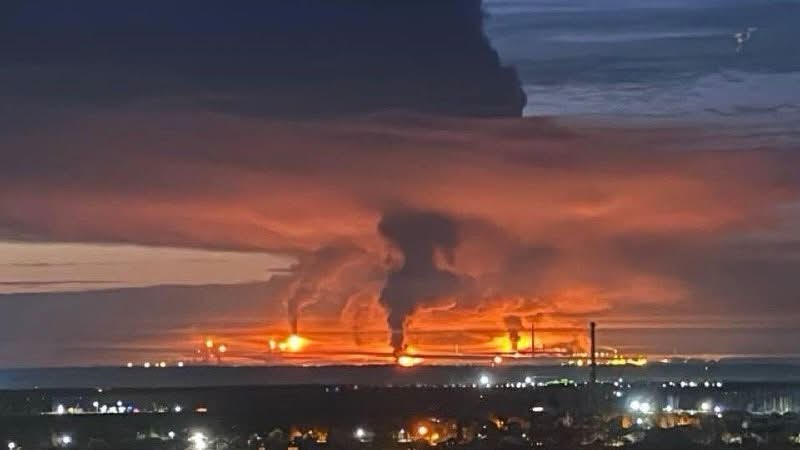
Local channels called it “Mordor.” The comparison wasn’t hyperbole. This was a devastating blow to Russia’s war machine.
The Threat: A Multi-Billion Dollar Bet on War
For months, the Kremlin had been pouring resources into this refinery. Not just oil—but military-grade fuel for tanks, jets, and warships. Lukoil, despite sanctions, kept the crude flowing. The refinery was a linchpin in Putin’s strategy to outlast Ukraine and the West.
But leaked internal documents reveal something more. The facility was secretly retooling to produce high-octane aviation fuel for the Russian Air Force—a direct violation of international sanctions. The operation was hidden behind layers of shell companies and encrypted communications.
“They thought they could hide it. They were wrong.”
Ukrainian intelligence intercepted the plans. The refinery wasn’t just an economic asset—it was a military target. And it was about to pay the price.
The Trump Card: A Message for Moscow
The strike wasn’t random. It was precise. It was coordinated. And it was a warning.
According to sources inside the operation, the drones were equipped with a new guidance system that bypassed Russia’s electronic warfare. They flew low, under the radar, and hit multiple targets simultaneously. The message was clear: Ukraine can reach anywhere.
But the real trump card? The evidence. Ukrainian intelligence has reportedly obtained encrypted communications linking the refinery’s management directly to the Russian Ministry of Defense. The documents prove that the facility was producing fuel for military aircraft used in strikes against Ukrainian cities.
“This isn’t just about oil. It’s about accountability. And we have the receipts.”
The international community is now under pressure to act. Sanctions on Lukoil could be expanded. But more importantly, the strike has shown that Ukraine can strike deep into Russia—and get away with it.
What Comes Next?
As the fires in Kstovo continue to burn, the question hangs in the air: Was this a one-off, or the beginning of a new phase in the war? One thing is certain—Putin’s oil empire is no longer untouchable. And the free world is watching.
But here’s the moral dilemma: When a refinery fuels war machines, is it a legitimate target? Or does the line blur between economic and military infrastructure? The answer may define the next chapter of this conflict.
What would you do if you were in Ukraine’s position?