The Strike: A Legal Bomb Dropped at Dawn
They moved before sunrise. No warning. No leaks.
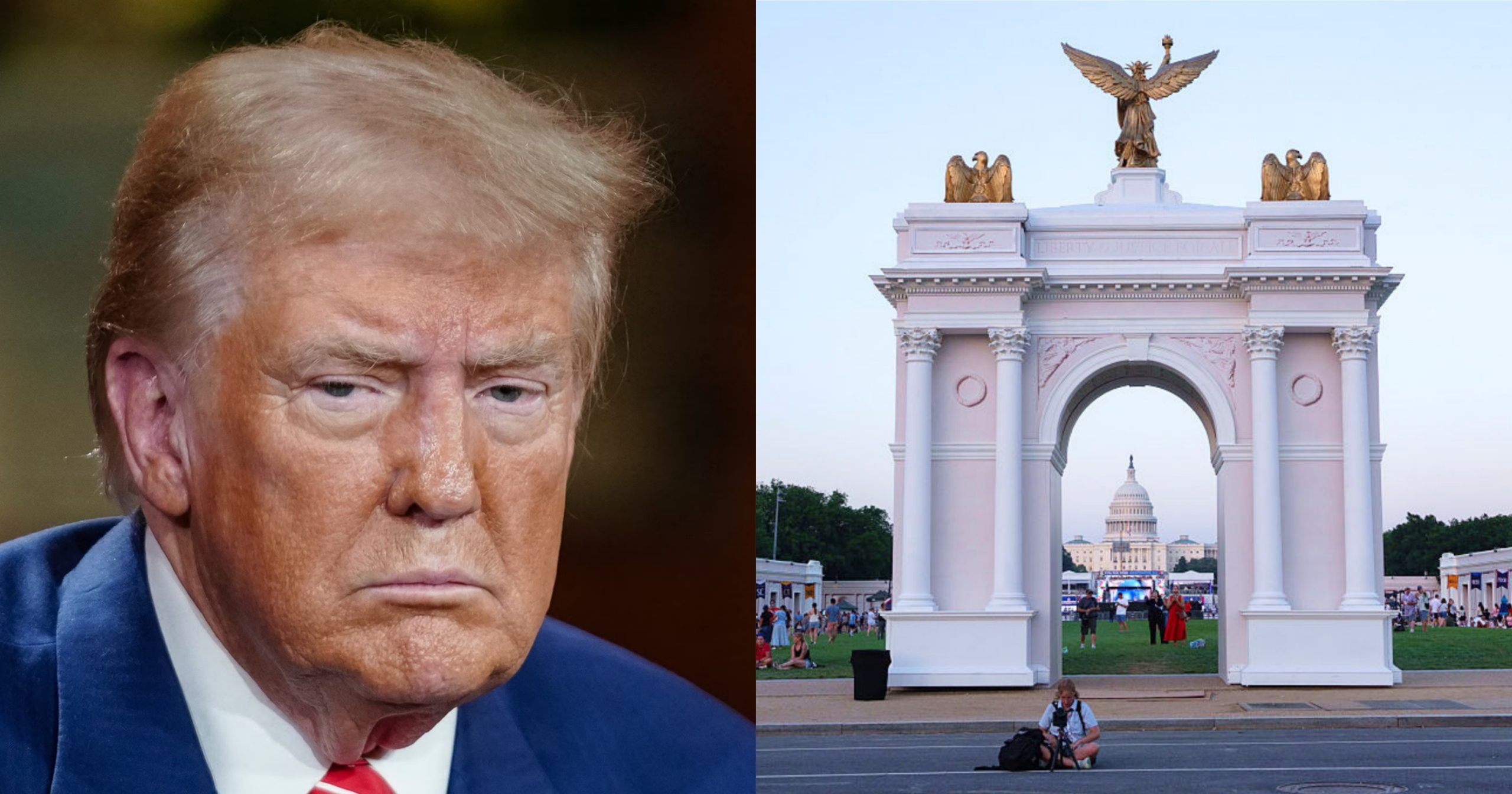
At 6:00 AM Saturday, attorneys general Brian Schwalb of D.C. and Jay Jones of Virginia filed a 45-page legal bomb in federal court. Their target: President Trump’s planned 250-foot triumphal arch—a towering monument twice the height of the Lincoln Memorial.
The lawsuit called the project “flagrantly unlawful.” It demanded an immediate halt. Construction was set to begin in days.
This wasn’t a protest. It was a precision strike—aimed at the heart of Trump’s legacy project.
The Threat: A Secret Deal and a Rushed Review
Behind the arch lies a scheme. The administration wanted it built by November 5th—no matter the cost.
Leaked internal documents reveal a “cursory” environmental review. The National Park Service fast-tracked approval. No public hearings. No consultation with D.C. or Virginia.
“This is not the first time Defendants have rushed to dramatically remake the District too quickly for courts to intervene.” — Lawsuit filing
The arch would stand between Arlington National Cemetery and the Lincoln Memorial. A sacred site. A traffic nightmare. A $50 million vanity project—funded by taxpayers, critics say.
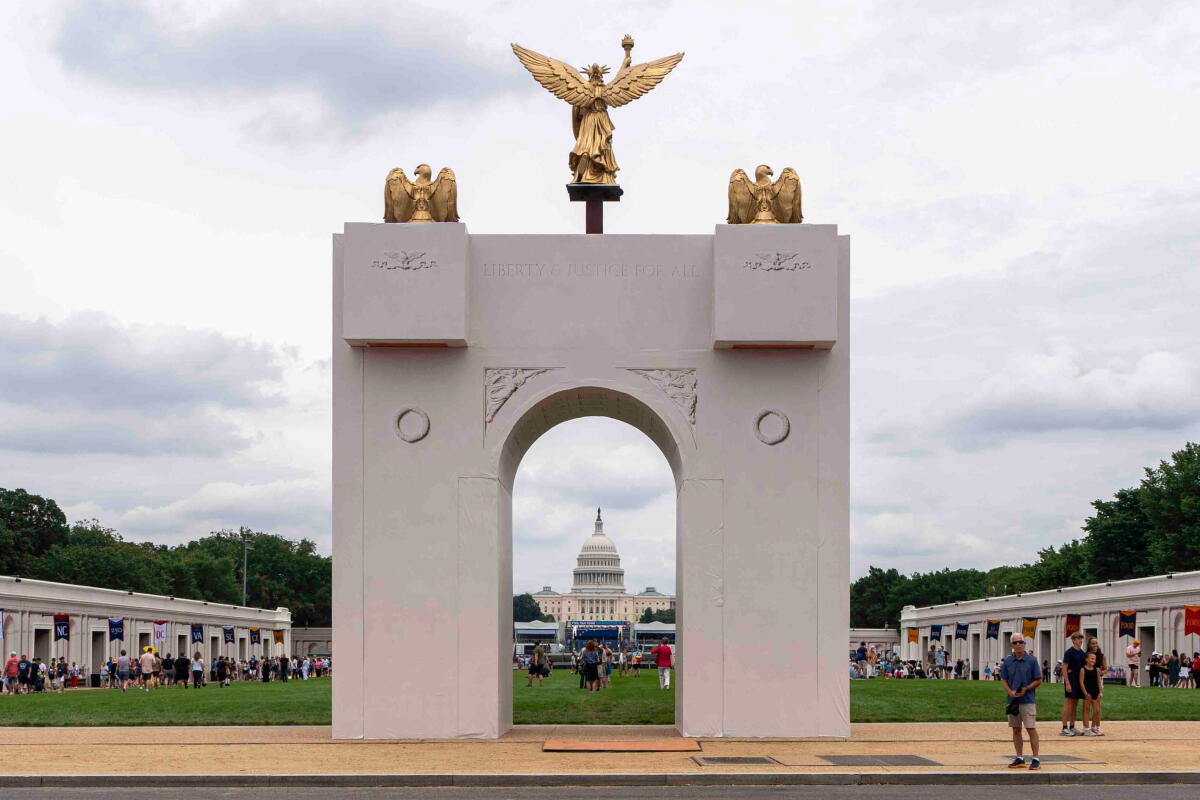
Virginia AG Jones called it an “affront” to the fallen. D.C. AG Schwalb warned of “irreparable harm.” But the administration pushed forward—until now.
The Trump Card: A Judge’s Ultimatum
Then came the twist.
U.S. District Judge Tanya Chutkan—no stranger to high-stakes cases—ordered both sides to appear within hours. She demanded a briefing schedule by Saturday evening. A temporary restraining order could freeze construction.

But the real weapon? The lawsuit’s “indisputable standing” argument. Unlike previous legal challenges, D.C. and Virginia can prove direct harm—traffic, environment, desecration.
Judge Chutkan could rule as early as Monday. If she grants the restraining order, the arch is dead. If not, construction begins within days.
The clock is ticking. The stakes couldn’t be higher.
What Happens Next?
Trump’s allies call the lawsuit a political stunt. Democrats call it a defense of sacred ground. But one question remains: Should any president have the power to permanently alter America’s most hallowed landscape—without a fight?