The Strike: One Journalist’s Encrypted Stand Against the Propaganda Machine
It started with a single encrypted message. Sent at 2:00 AM from a secure server in Europe. The recipient: a prime-time anchor who had been quietly assembling a dossier for months.
Within hours, the first domino fell. A federal judge unsealed a trove of documents that had been buried under layers of national security red tape. The files didn’t just expose corruption—they revealed a coordinated campaign to deceive the American public.
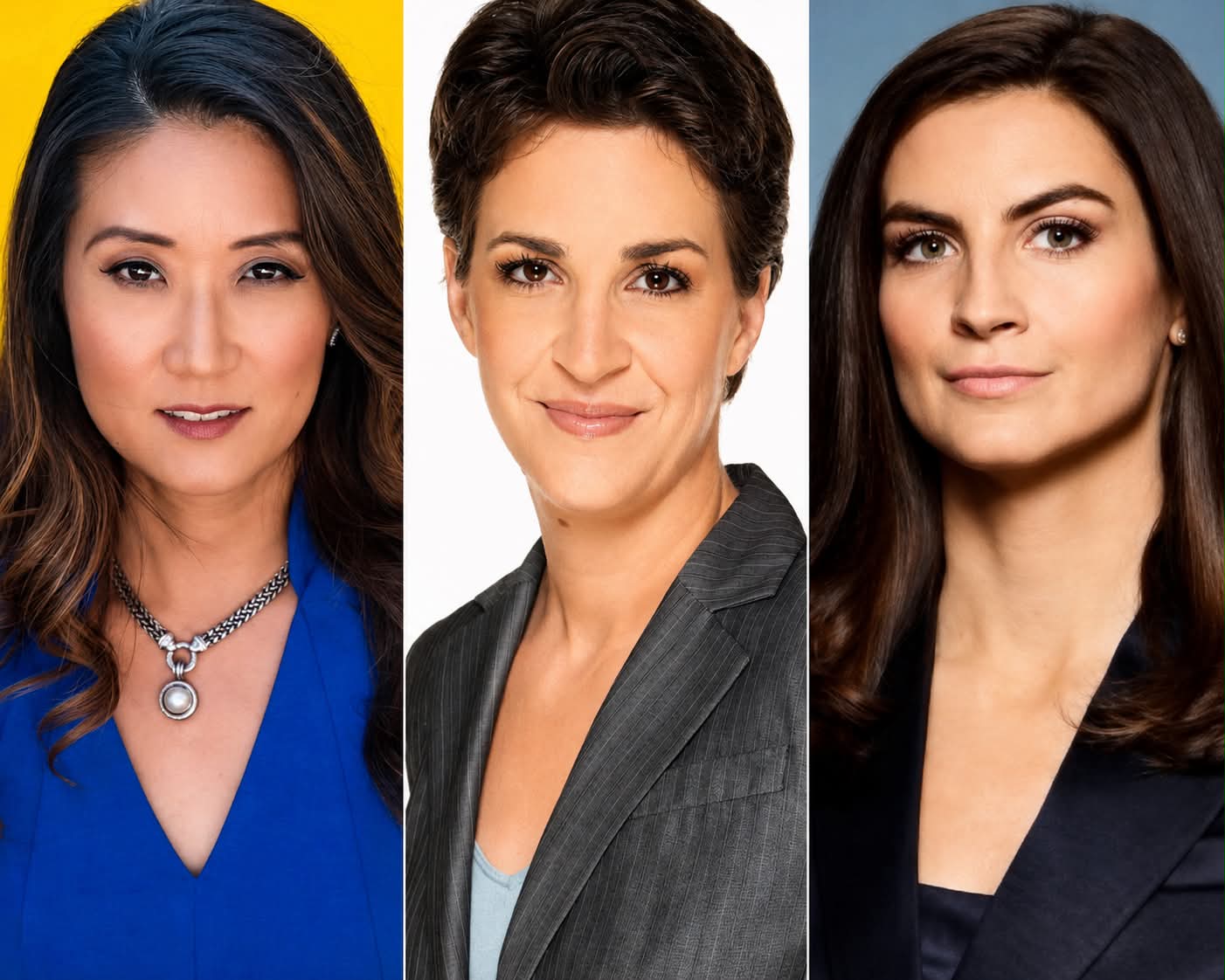
At the center of it all: three women. Katie Phang. Rachel Maddow. Kaitlan Collins. Their names now synonymous with journalistic defiance in the face of an administration that has weaponized misinformation.
The Threat: A Multi-Million-Dollar Scheme to Bury the Truth
The documents paint a chilling picture. A secret slush fund. Offshore accounts. And a plan so brazen it defies belief.
According to leaked internal memos, the administration funneled over $47 million into a covert operation designed to discredit independent journalists and bury stories about ICE’s escalating violence and the Epstein cover-up. The strategy was simple: flood the zone with propaganda, then declare any dissenting voice a threat to national security.
“They didn’t just want to silence the press. They wanted to criminalize the truth.” — A senior intelligence official, speaking on condition of anonymity.
The war with Iran provided the perfect smokescreen. As bombs fell, the headlines shifted. Interest in the Epstein files plummeted. And the administration seized the moment to push through emergency powers that would have made the cover-up permanent.

The Trump Card: The One File They Missed
But they made a mistake. They left one file behind.
Hidden in a private email server—ironically, the same one they accused their opponents of using—investigators found a signed directive authorizing the illegal surveillance of American citizens. The signature? A top White House official. The date? Just days before the first ICE killing made national headlines.
That single document changed everything. Within hours, the story exploded. Calls for resignation echoed from both sides of the aisle. And the three journalists who had risked everything suddenly found themselves at the center of a firestorm they had helped ignite.
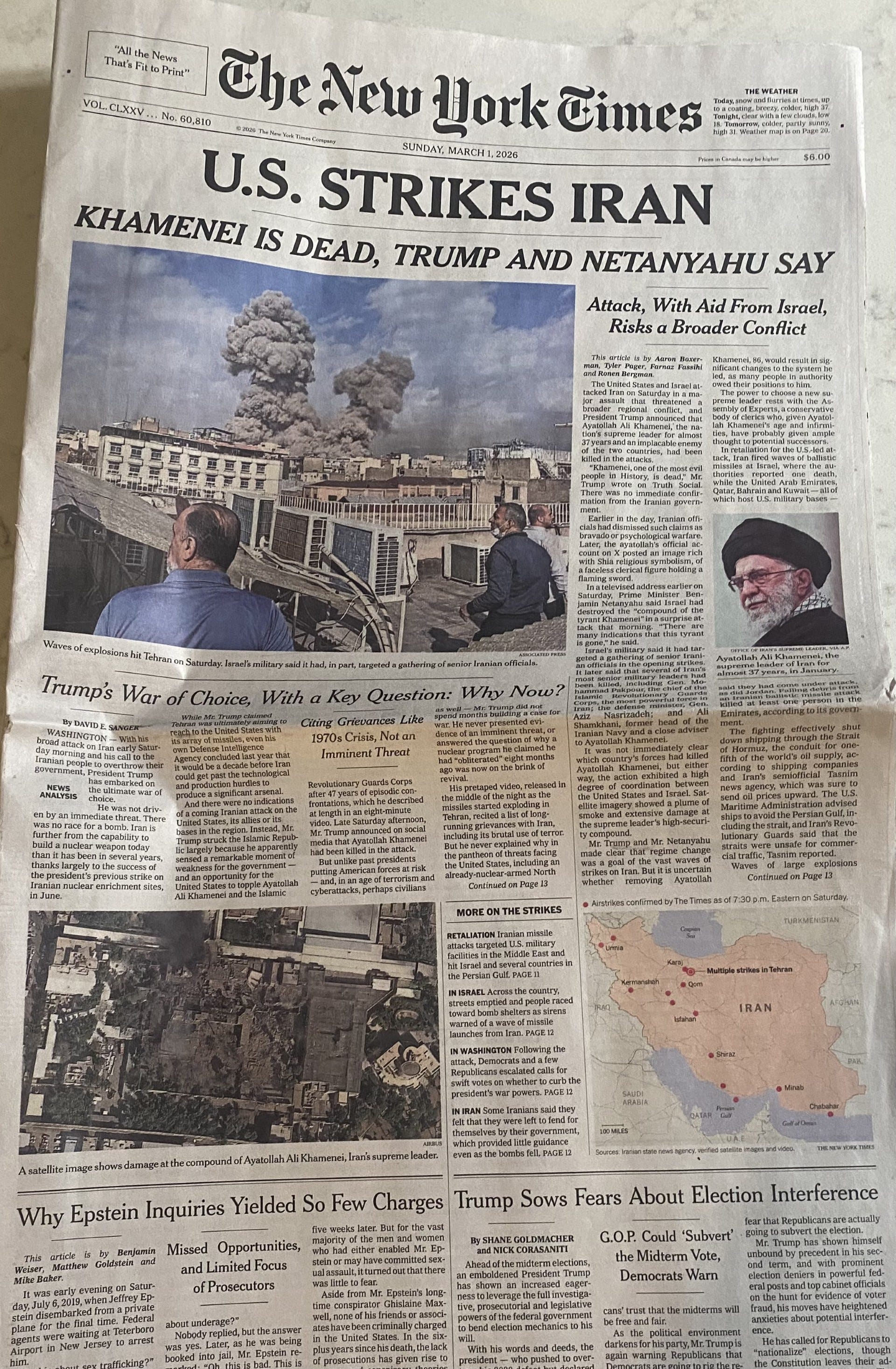
In a year defined by violence and deception, the truth finally broke through. But at what cost? The question now is not whether the cover-up will be exposed—it’s whether the country can survive the fallout.
When the highest levels of power are willing to sacrifice lives to protect their secrets, what does it say about the soul of a nation?