The Strike: Oregon Drops the Hammer
It was swift. It was silent. And it hit like a thunderclap.
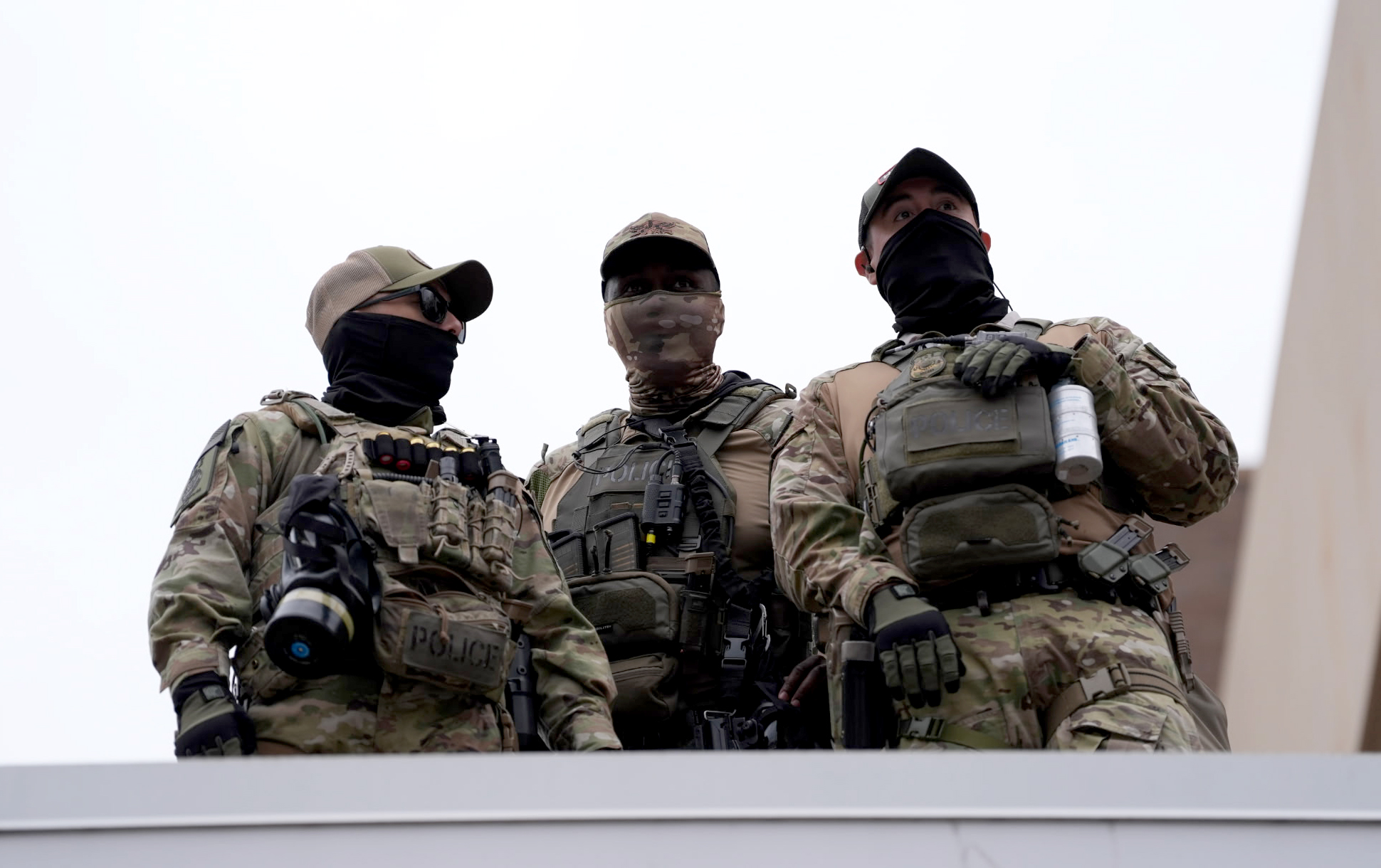
On Thursday, Oregon Democrats rammed through House Bill 4138—a measure that bans federal immigration agents from wearing masks. No more hidden faces. No more anonymous raids. Every ICE officer must now display their name, badge, and agency.
“When someone has the power to stop you, question you, detain you, or arrest you, you deserve to know who they are and who they work for,” Sen. Wlnsvey Campos declared on the Senate floor.
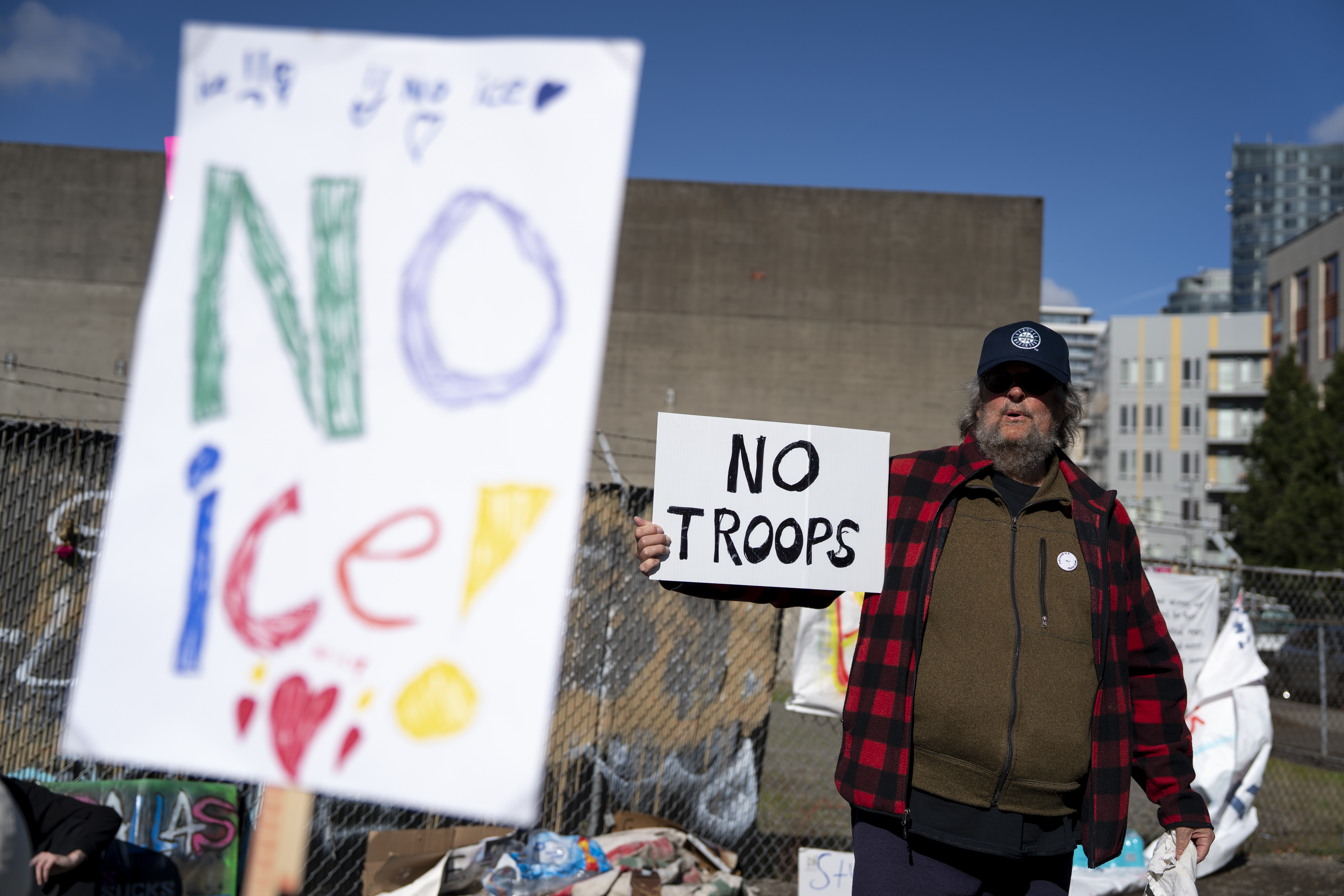
The move is a direct challenge to the Trump administration’s mass deportation machine. And it’s already sending shockwaves through the federal ranks.

The Threat: A Secret War on Accountability
But here’s what they’re not telling you.
Behind closed doors, the Trump administration has been waging a covert war against state mask bans. They’ve already sued California—and won a federal court order blocking its law. Now they’re coming for New Jersey and Connecticut.
Why? Because masked agents are the backbone of a multi-million-dollar deportation scheme. Without masks, officers can be identified, tracked, and held accountable. Whistleblowers could come forward. Lawsuits could follow.
Leaked internal memos reveal that the administration views mask bans as an existential threat to their enforcement strategy. One official called it “a blueprint for chaos.”
And Oregon? They haven’t been sued yet. But legal experts say that’s only a matter of time.
The Trump Card: The Ninth Circuit’s Hidden Loophole
But Oregon’s lawmakers weren’t naive. They built a trap.
While California’s law was struck down for applying only to federal agents, Oregon’s ban covers all law enforcement officers—local, state, and federal. That subtle difference could be the key to surviving legal scrutiny.
Legal observers point to a recent Ninth Circuit decision that left the door open for criminal prosecutions under state disguise laws. If an ICE agent commits a crime while masked, they could be charged under existing statutes.
“It would be interesting to see if a state would be willing to use one of those laws to prosecute an ICE officer who’s masked, can’t be identified, and engages in assault, battery, or false arrest,” one attorney said.
That’s the trump card. Oregon isn’t just banning masks—it’s setting a legal bear trap for anyone who violates the public trust.
The Question That Remains
So now the nation waits. Will the Trump administration sue Oregon? Will the courts uphold the ban? And if they do, what happens when a masked federal agent is finally forced to show their face?
The answer could redefine the limits of federal power—and the meaning of justice itself.
When the government hides its face, who protects the people from its secrets?