The Strike: Judge Gleason’s Gavel Comes Down
It was a Sunday morning shockwave. U.S. District Judge Sharon Gleason didn’t blink. She didn’t waver. She slammed the gavel on the Trump administration’s audacious lawsuit—dismissed. The ruling landed like a bomb in the heart of Alaska’s political battlefield, leaving Team Trump reeling.
In a 20-page order, Gleason, the most senior federal judge in Alaska, declared the federal government had no legal standing to interfere. The DOJ’s case—citing the preamble of the National Voter Registration Act—crumbled under scrutiny. The message was clear: No one is above the law.
But this wasn’t just a legal technicality. It was a direct blow to a scheme that threatened to unravel the very fabric of Alaska’s election. And it was only the first shot.
The Threat: A Multi-Million Dollar Mirage?
Behind the lawsuit lay a shadowy operation. The Trump administration, at the president’s personal direction, sought to block certification of the Senate race if Republican incumbent Dan S. Sullivan lost. Their excuse? Voter confusion. A mysterious candidate named Dan J. Sullivan—allegedly recruited by Democrats—had muddied the waters.
The DOJ demanded ballots for Dan J. Sullivan be segregated and investigated. They wanted to pause the entire election. But critics cried foul: this was a brazen attempt to steal a seat, pure and simple. The New York Times reported that Peltola’s campaign and other Democrats had recruited the second Sullivan—a move that sparked outrage and fueled the administration’s fire.
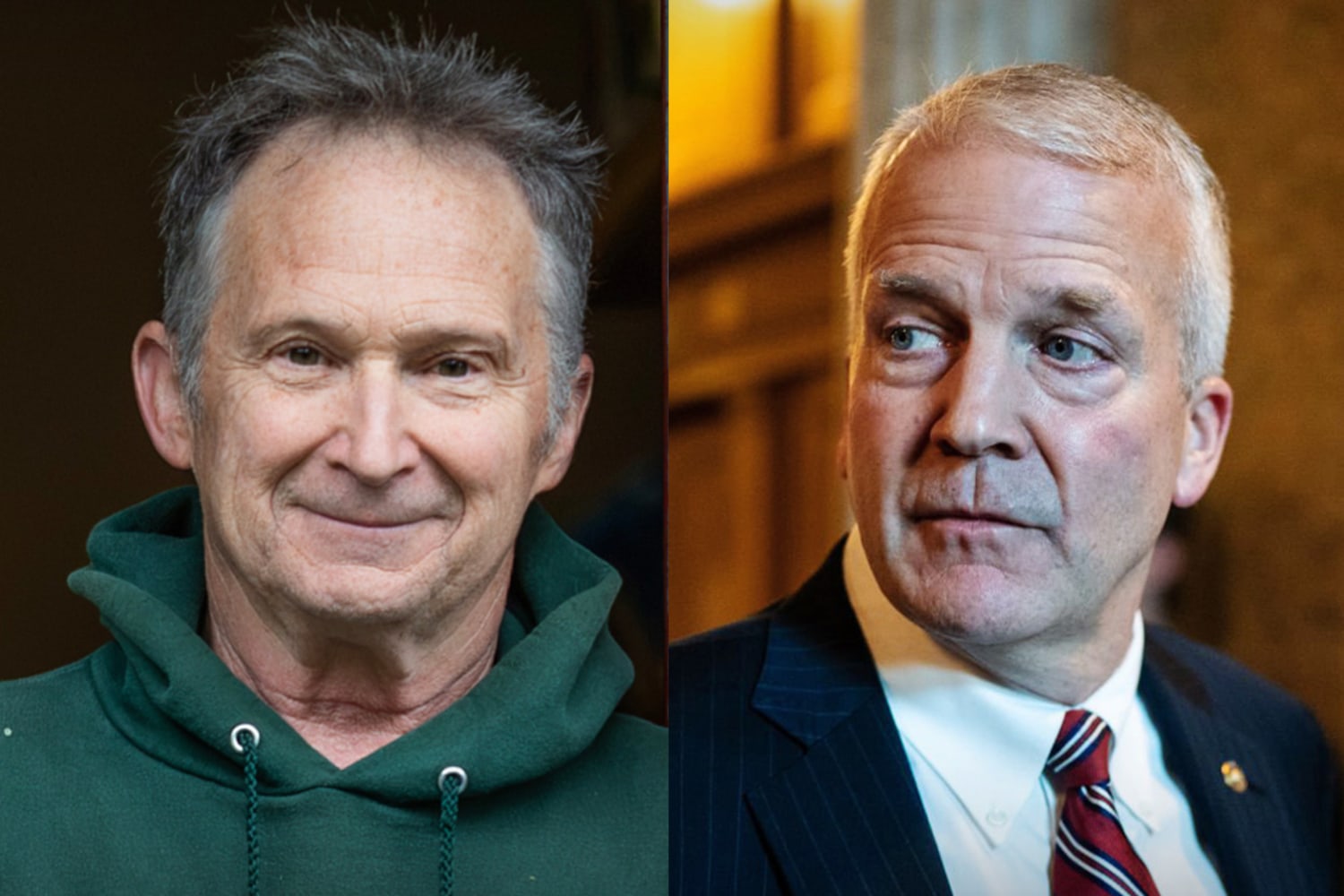
But Judge Gleason saw through the smokescreen. She ruled that segregating ballots would violate Alaskans’ right to a secret ballot—a fundamental principle of democracy. The lawsuit, she wrote, lacked any explanation of how the requested relief could redress the alleged injury while maintaining ballot secrecy. In other words: the fix was in, and she wasn’t buying it.
“Requiring the segregation of ballots cast by voters for Daniel J. Sullivan so that these voters can be further investigated by law enforcement is not a remedy that this Court can or should order as it clearly violate Alaskans’ right to a secret ballot.” — Judge Sharon Gleason
The threat was real: a sitting president openly attempting to manipulate a state election. And it almost worked.
The Trump Card: Peltola’s Path to Power
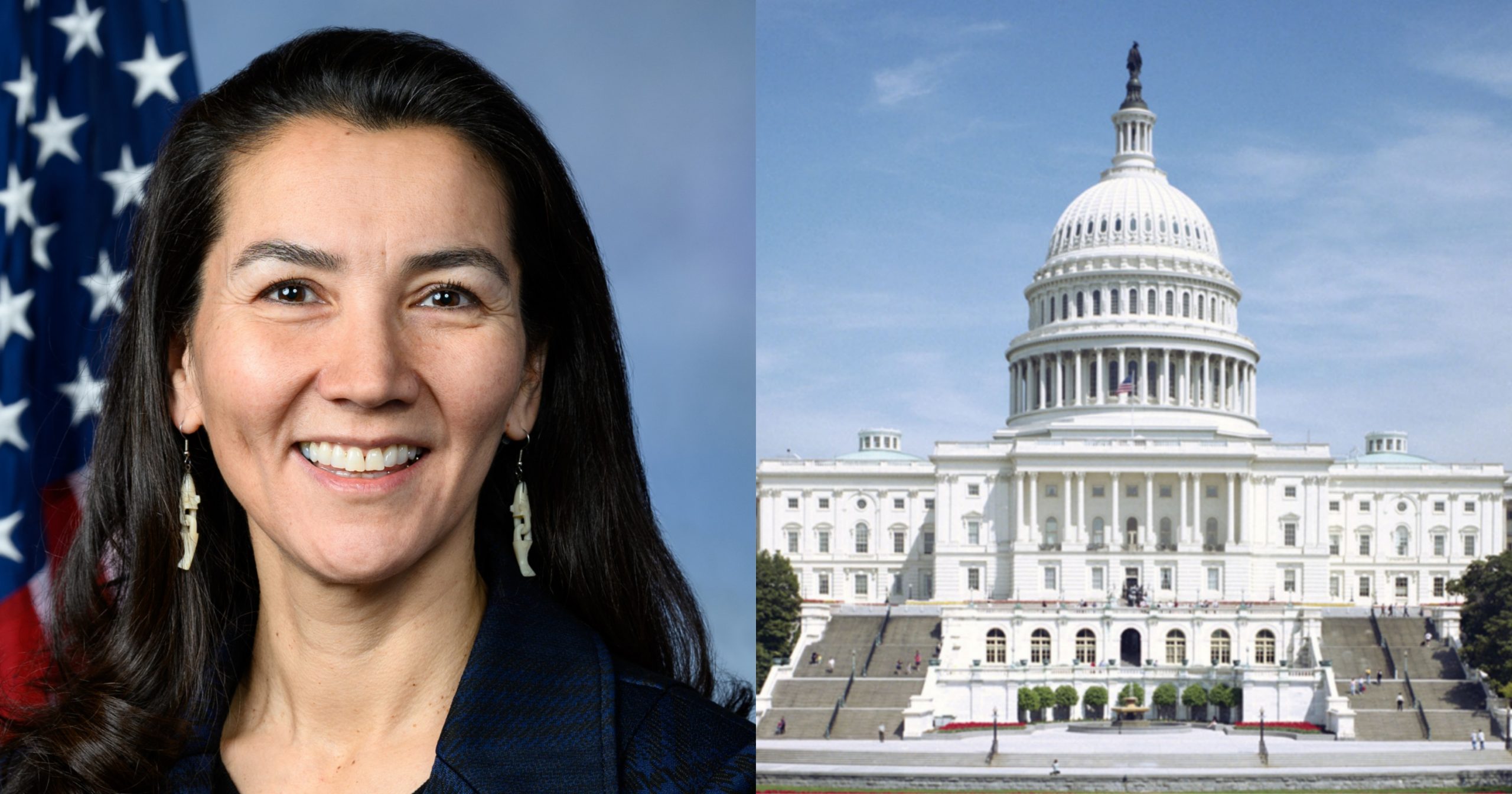
But then came the twist. The ruling didn’t just dismiss the case—it cleared the way for Mary Peltola. If she wins, she will be sworn into office. No delays. No investigations. No interference.
The appeals? Already filed, but likely moot. If Peltola wins by a margin larger than the votes for Dan J. Sullivan, the case dies. And polling averages show her slightly ahead.

The DSCC wasted no time celebrating: “Today’s ruling is a victory for democracy and a clear message to Donald Trump and Senate Republicans: No one, no matter how powerful, can toss out free and fair elections just because they don’t like the result.”
But the fight isn’t over. The 9th Circuit could still weigh in. Criminal investigations continue. And Trump has already vowed to fight on.
So here’s the moral question: When a president tries to overturn an election, what does it say about the state of our democracy that it takes a single judge to stop him? And what happens if next time, the judge doesn’t stand firm?