Democrats are revealing what they describe as deeply troubling and potentially unlawful redactions made by the Trump Justice Department in the partial release of the Jeffrey Epstein files — redactions that they say conceal critical information about Donald Trump, other powerful figures, and even victims as young as nine years old.
House Judiciary Committee Ranking Member Jamie Raskin, a former constitutional law professor, was granted limited access to review the redactions. According to Raskin, what he discovered suggests a systematic effort by the Department of Justice to obscure key facts rather than protect victims.
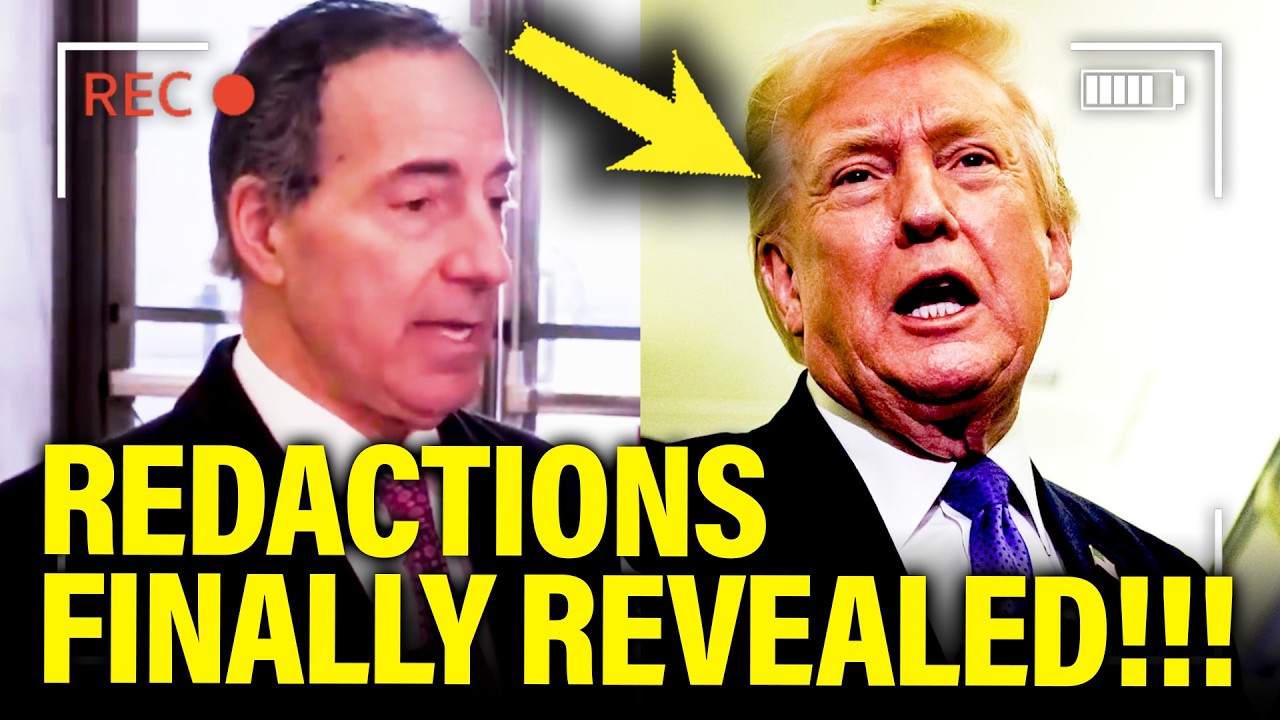
Among the most alarming findings: documents describing communications between Epstein’s lawyers and Trump’s lawyers during the 2009 investigation. In one email, Epstein forwarded a summary of a conversation in which Trump’s legal team allegedly told Epstein’s attorneys that Epstein was never a member of Mar-a-Lago, only a guest — and that he was never expelled from the club. That information, Raskin noted, directly contradicts Trump’s public claims that he kicked Epstein out, yet it was entirely redacted by the DOJ without explanation.
Raskin also stated that the files contain references to victims as young as nine years old, while simultaneously failing to properly redact the names of some victims. Democrats argue that this either reflects extraordinary incompetence or a deliberate attempt to intimidate survivors who may be considering coming forward.
At the same time, Raskin described extensive redactions shielding individuals who are clearly not victims, including what appear to be potential co-conspirators. He said he encountered “tons of completely unnecessary redactions,” fueling concerns of a large-scale cover-up designed to protect powerful people.
Those concerns intensified during the recent House Oversight Committee deposition of Ghislaine Maxwell. Despite previously answering questions from Trump’s former criminal defense attorney — now Deputy Attorney General Todd Blanche — Maxwell invoked the Fifth Amendment in response to every congressional question, including those about Trump, other alleged co-conspirators, and possible foreign intelligence involvement.
Democratic lawmakers noted the inconsistency. Maxwell did not plead the Fifth when questioned by Trump’s DOJ, yet now refuses to answer Congress while openly seeking clemency from Trump. Her attorney explicitly stated that Maxwell would be willing to “fully and honestly speak” if granted a presidential pardon — a position Democrats describe as an attempt to trade silence for freedom.
Republican Oversight Chair James Comer declined to rule out clemency, stating it was the president’s decision. Democrats sharply criticized that stance, particularly given Maxwell’s conviction for facilitating a child sex trafficking operation involving minors.
Adding to the controversy, Republicans are largely silent — with the notable exception of Rep. Thomas Massie — while Democrats are calling for resignations over ties to Epstein, including Commerce Secretary Howard Lutnick. DOJ records show Lutnick maintained a long-standing relationship with Epstein, invested in companies with him, and socialized with him even after Epstein’s conviction.
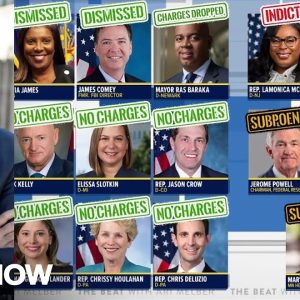
Meanwhile, the Trump DOJ has moved to dismiss criminal charges against Steve Bannon for defying a congressional subpoena related to the January 6 investigation — despite Bannon already being convicted by a jury. Democrats argue this dismissal is part of a broader effort to protect individuals connected to Epstein, pointing to emails showing Bannon and Epstein discussing political influence operations, including support for foreign authoritarian movements.
Taken together, Democrats say the pattern is clear: selective redactions, exposed victims, protected elites, stalled investigations, and legal relief for Trump allies. They are demanding the full release of the Epstein files, with only victim-identifying information redacted, and warning that anything less amounts to a historic abuse of power.
As Raskin and other lawmakers emphasized, the path forward must center survivors, transparency, and accountability — not silence secured through redactions, intimidation, or presidential clemency.